Welcome to Aluleader Metal
Aluminum Profile HS Code 2026: 7604 & Extensions for Extrusions
Table of Contents
If you’re importing or exporting aluminum profiles—whether for construction, industrial use, or furniture—understanding the Harmonized System (HS) Code is non-negotiable. HS codes determine customs duties, trade regulations, and compliance requirements, directly impacting your shipping costs and delivery timelines.
As a leading aluminum profile manufacturer with over 15 years of experience (ISO9001 certified), we’ve compiled this practical guide to help you navigate HS codes for aluminum profiles, tailored to our product range at Alueader Aluminum.
What Are HS Codes & Why Do They Matter for ALuminum Profiles?
HS codes are standardized numerical codes used globally to classify traded products. For aluminum profiles, they:
Ensure accurate customs clearance (avoid delays or penalties)
Determine applicable import/export duties (critical for cost budgeting)
Simplify trade documentation (e.g., invoices, shipping manifests)
Help comply with country-specific regulations (e.g., CE, Saber certifications for our international clients)
Without the correct HS code, your aluminum profile shipments may get held at customs, incur unexpected fees, or even be rejected. This is especially important for buyers of our custom aluminum extrusion profiles—whether you're ordering architectural door/window profiles, industrial heatsinks, or CNC-machined aluminum parts.
Core HS Codes for Aluminum Profiles (Based on Our Product Range)
Aluminum profiles fall under Chapter 76 of the HS Code system (Aluminum and articles thereof). The exact 6-8-10 digit code depends on alloy type, processing, shape, and use case. Here's a clear breakdown by product type:
For Windows and Doors Profiles (Hollow Extrusions):
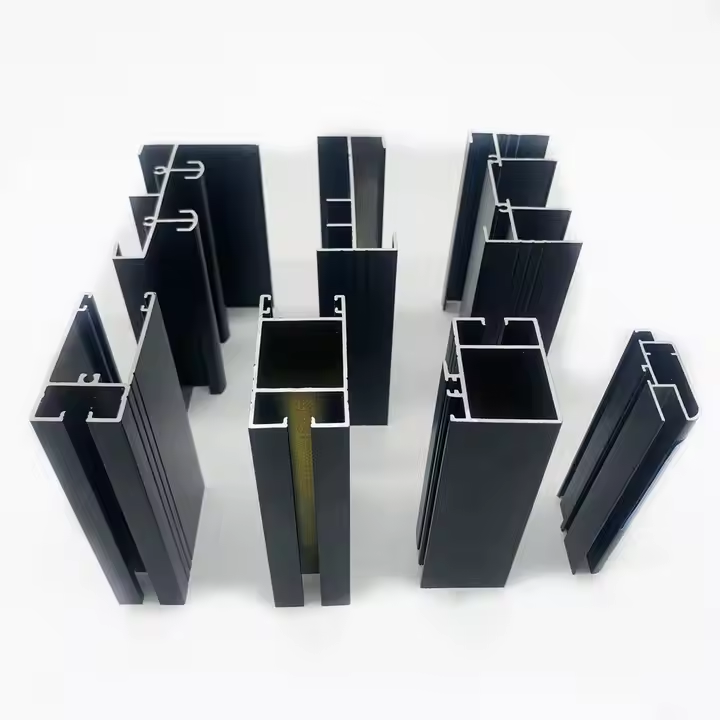
Use HS Code 7604.21 as the 6-digit base. This covers unfinished extruded hollow profiles, such as raw 6063-T5 profiles for doors and windows. If your product is surface-treated (anodized or powder-coated), the 8-10 digit extension will change depending on your destination country.
For General Solid Extrusions (Angles, Channels, Bars):
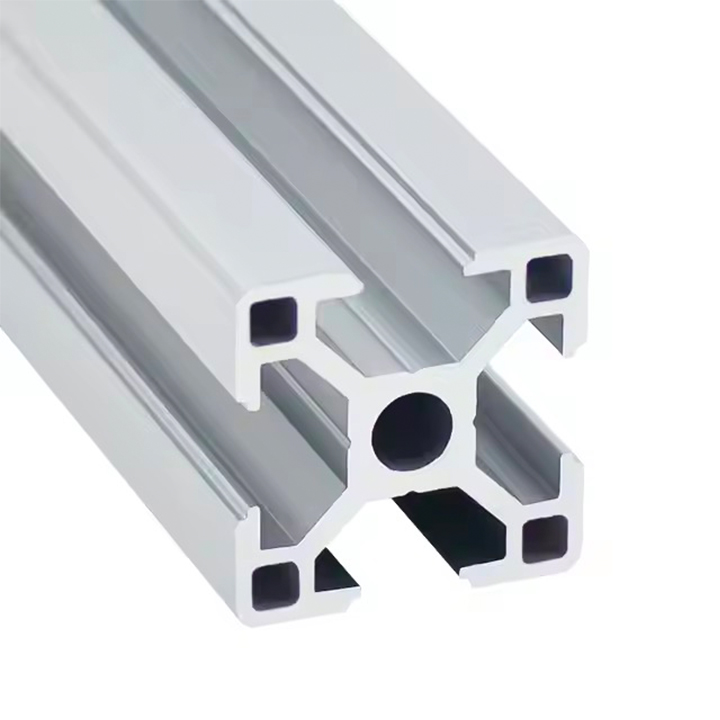
Use HS Code 7604.29 as the 6-digit base. This covers solid profiles, whether they are unfinished or surface-treated with anodizing, powder coating, or wood grain finishes. Most of our standard extrusion profiles fall under this category.
For CNC-Machined Profiles (Drilled, Cut, Precision Shaped):
In most cases, post-extrusion machining such as drilling, cutting, or precision shaping does not change the core 6-digit classification of 7604. The specific 8-10 digit extension will vary by country, but the base remains 7604. Our custom CNC-machined aluminum profiles and industrial aluminum heatsinks typically fall under this classification.
For Aluminum Tubes and Pipes (Round Shapes):
It is critical to distinguish these from profiles. Round aluminum pipes and tubes are generally classified under HS Code 7608, not 7604. Our Industrial Custom Aluminium Round Pipe Tube (6063-T5/6061-T6) falls under 7608 if classified as "pipes" instead of "profiles."
Important Note: The 8-10 digit extensions vary significantly by country (e.g., United States, European Union, Middle East all have different extensions). Always verify the full code with your destination country's tariff schedule.
HS Code 7604 vs. 7610: What's the Difference?
This is one of the most common confusion points for importers. Understanding the distinction is crucial for correct classification.
HS Code 7604 applies to aluminum profiles—these are individual extruded shapes that have not yet been assembled into a larger structure. Examples include a single door frame profile piece, an angle bar, or a heatsink extrusion. If your product is an individual piece of extruded aluminum, it belongs here.
HS Code 7610 applies to aluminum structures and parts thereof. This category covers assembled, finished structures that are ready for installation or use. Examples include pre-assembled door frames, complete window units, curtain walling systems, and bridges.
The key takeaway is simple: if your product is an individual extruded piece, use 7604. If it is an assembled structure like a complete door or window unit, use 7610. If you are unsure about your specific product, feel free to review our architectural aluminum profiles or contact our team for guidance.
How to Confirm the Exact HS Code for Your Order ?
HS code extensions vary by country. Follow these steps to avoid mistakes and ensure smooth customs clearance:
Step 1: Check your country's customs tariff database
For the United States, search the USITC HTS (Harmonized Tariff Schedule) database
For the European Union, refer to the TARIC (Integrated Tariff of the European Communities) database
For the Middle East, refer to GCC Customs Union tariff schedules (critical for Saber certification)
For other countries, check your local customs authority's official website
Step 2: Match the code to your product details
Confirm your product's alloy (e.g., 6063-T5, 6061-T6)—our technical team can provide alloy certificates for your order
Verify the processing method (extruded, anodized, CNC-machined)—see our customization services for details
Check the shape (extruded profiles, tubes, frames)—our product pages clearly outline dimensions and forms
Step 3: Consult your supplier or customs broker
As a factory-direct supplier, we provide HS code guidance for all orders. Simply share your destination country, and we will help you confirm the correct code for your wholesale aluminum profiles
Your customs broker can also provide country-specific verification
Common Mistakes to Avoid with Aluminum Profile HS Codes
Avoid these common errors to prevent customs delays and unexpected costs:
Using a generic 6-digit code only – Customs authorities in most countries require the full 8-10 digit code for accurate duty assessment. Using only 7604 will likely cause delays.
Misclassifying surface treatments – Anodized or powder-coated profiles need specific 8-10 digit extensions. Do not use the "unfinished" code for treated products.
Confusing profiles with tubes or pipes – Our round aluminum pipes use 7608, while extruded profiles use 7604. Mixing these up leads to non-compliance and potential penalties.
Assuming all 7604 codes are the same – The 8-10 digit extensions determine duty rates, so getting this wrong can cost you significantly. For example, if you are importing our powder-coated architectural profiles to the EU, using the correct 8-digit extension ensures you pay the correct duty and meet CE certification requirements.
FAQ: About Aluminum Profile HS Codes
Q1: What is the HS code for aluminum extrusion profiles?
The core 6-digit HS code for aluminum extrusion profiles is 7604. For hollow profiles (like those used for doors and windows), the code is 7604.21. For solid profiles (like angles, channels, and bars), the code is 7604.29. The full 8-10 digit code will depend on your destination country's specific tariff schedule.
Q2: What is the difference between HS code 7604 and 7610?
HS Code 7604 applies to individual aluminum profiles—single extruded pieces that have not yet been assembled. HS Code 7610 applies to aluminum structures—assembled, finished products like complete door frames, window units, or curtain walling systems that are ready for installation.
Q3: Does surface treatment (anodizing, powder coating) change the HS code for aluminum profiles?
The core 6-digit code (7604) remains the same, but the 8-10 digit extension may change depending on the surface treatment. For example, an unfinished profile and a powder-coated profile often have different extensions in many countries' tariff schedules. Always verify the correct extension for your specific product and destination.
Q4: Is the HS code for aluminum profiles the same in the US, EU, and Middle East?
The core 6-digit code (7604) is the same globally. However, the 8-10 digit extensions vary by country or region. The United States uses the HTS (Harmonized Tariff Schedule), the EU uses TARIC, and the Middle East follows GCC Customs Union schedules. You must check the specific extension for your destination.
Q5: What is the HS code for CNC-machined aluminum profiles?
CNC-machined aluminum profiles generally still fall under HS Code 7604, as post-extrusion machining (cutting, drilling, precision shaping) typically does not change the core classification. The specific 8-10 digit extension will depend on your destination country and the extent of processing.
Q6: What is the HS code for aluminum tubes and pipes?
Aluminum tubes and pipes are classified under HS Code 7608, not 7604. This is a common mistake—round aluminum pipes should be declared under 7608, while extruded profiles (including square or rectangular tubes) fall under 7604.
Q7: How can I find the correct HS code extension for my country?
You can check your country's official customs tariff database. For the US, use the USITC HTS database. For the EU, use the TARIC database. For the Middle East, refer to GCC Customs Union schedules. Alternatively, you can consult your customs broker or contact your supplier for guidance.
Q8: What happens if I use the wrong HS code for aluminum profiles?
Using an incorrect HS code can lead to customs delays, unexpected duties or penalties, and even shipment rejection. In some cases, it may also affect your compliance with local regulations (e.g., CE certification in Europe or Saber certification in Saudi Arabia). Always verify your code before shipping.
Why Choose Aluleader for HS Code-Compliant Aluminum Profiles ?
As a comprehensive aluminum profile manufacturer, we take the guesswork out of trade compliance:
Detailed technical documentation – All our products, from standard extrusions to CNC-machined parts, come with complete documentation including alloy specifications and processing details for HS code verification. This simplifies your customs declaration process.
One-stop customization services– We offer ODM/OEM, mold design, and surface treatment. For every order, we provide HS code guidance tailored to your target market, removing the uncertainty from international shipping.
ISO9001-certified production – Our quality management system ensures compliance with global standards, complementing HS code requirements.
Seamless international trade support– Whether you are a building materials distributor, manufacturing enterprise, or engineering firm, our wholesale aluminum profiles are designed for smooth shipping—from HS code classification to on-time delivery.
Final Thoughts
HS codes are a critical part of importing aluminum profiles, but they do not have to be complicated. By focusing on your product's alloy, processing, and destination, you can select the correct code and avoid costly delays. For personalized HS code guidance, or to request free samples of our 6063-T5 profiles, contact our team today—we are here to support your global aluminum profile sourcing journey.
Need help with other trade-related questions? Check our blog on [How to Find a Reliable Chinese Aluminum Profile Supplier] for more insights!

Foshan Aluleader Metal Materials Co.,Ltd.(OEM&ODM)
is a comprehensive enterprise with over 15 years experence,engaging in the design, production and sales of aluminum profiles.Learn more...
If you have any question, feel free to contact us, Thank You !
Whatsapp: +8619867251009 Email: [email protected]