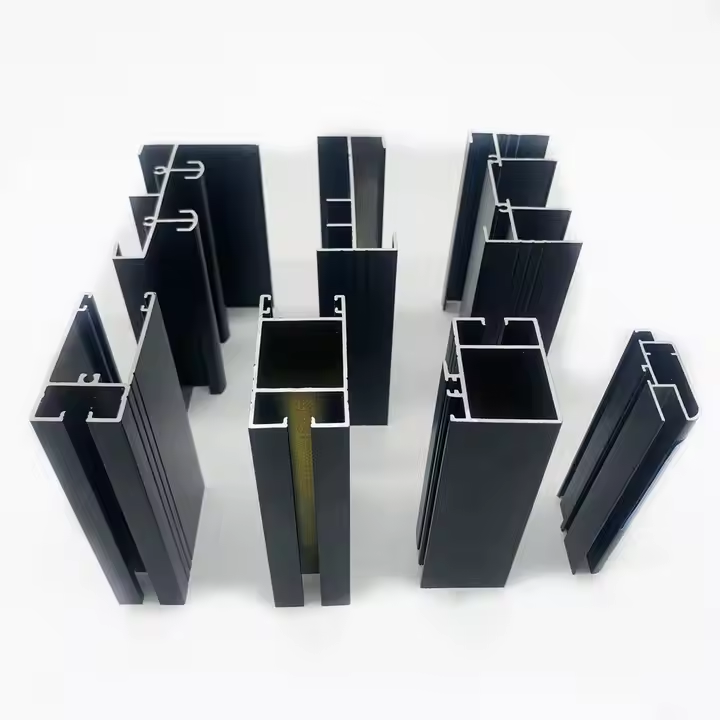
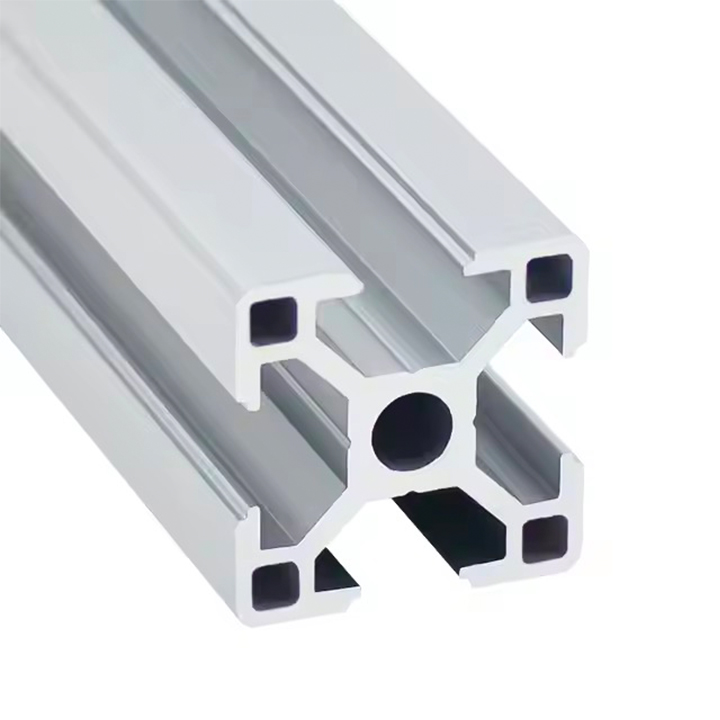
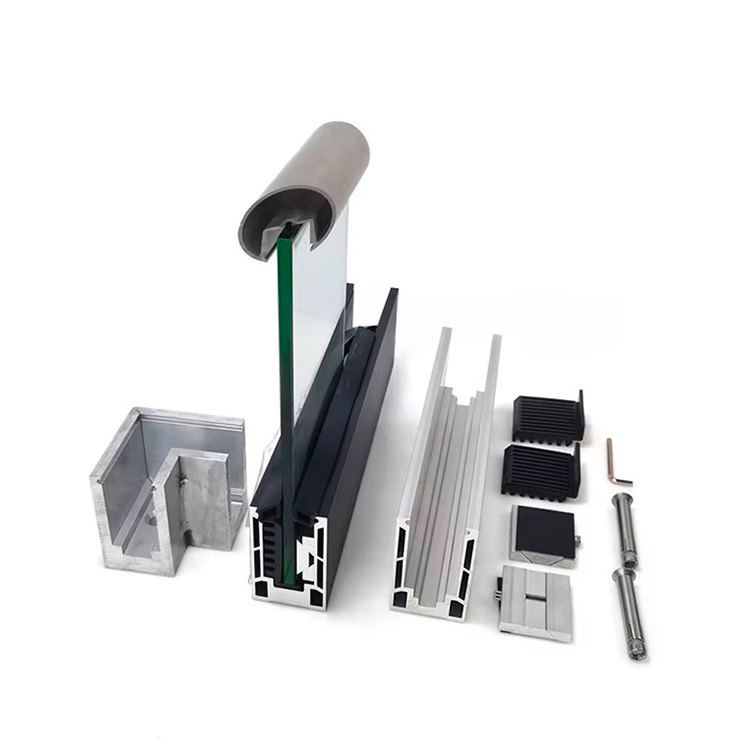
Welcome to Aluleader Metal
Aluminum Profiles for Solar Panel Mounting
Table of Contents
Solar energy is one of the fastest-growing renewable energy sectors worldwide, and aluminum extrusion profiles are the backbone of modern solar panel mounting systems. From residential rooftop installations to utility-scale solar farms, aluminum profiles for solar panel mounting offer an unbeatable combination of strength, light weight, and corrosion resistance.In this guide, we break down everything you need to know about solar mounting aluminum extrusions — including alloy selection, profile types, surface treatments, and key specifications for your solar project.
Looking for custom aluminum profiles for solar panel mounting systems? Send us your design drawing for a factory quote.
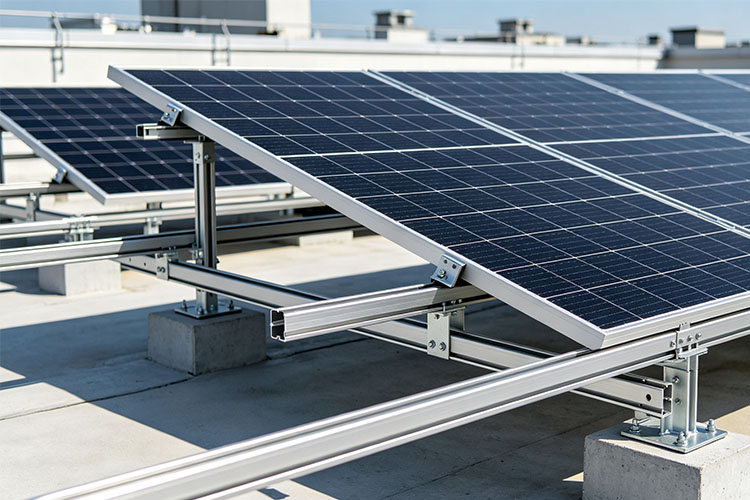
Why Aluminum Is the Top Choice for Solar Panel Mounting
Solar mounting systems operate outdoors 24/7, exposed to sun, rain, wind, and temperature fluctuations. Aluminum has become the industry standard for several compelling reasons.
-
Lightweight but High Strength
Aluminum offers an excellent strength-to-weight ratio. It is roughly one-third the weight of steel while still providing sufficient structural strength for solar panel support. This reduces transportation costs, makes on-site installation faster and safer, and lowers the load on rooftops.
-
Excellent Corrosion Resistance
Aluminum naturally forms a protective oxide layer when exposed to air. With additional surface treatments like anodizing, solar mounting aluminum profiles can withstand decades of outdoor exposure — even in coastal areas with high salt content in the air.
-
Easy to Fabricate & Customize
Aluminum extrusions can be custom-designed to match exact solar mounting requirements. Holes, slots, grooves, and complex cross-sections are all achievable through extrusion and secondary CNC machining, enabling modular, fast-assembly solar mounting systems.
-
Sustainable & Recyclable
Aluminum is 100% recyclable and retains nearly all of its properties after recycling. Using aluminum for solar mounting aligns perfectly with the sustainability goals of solar energy projects, reducing the overall environmental footprint.
Common Aluminum Alloy Grades for Solar Mounting Profiles
Not all aluminum alloys are equal. The right alloy choice depends on strength requirements, corrosion exposure, and cost considerations.
-
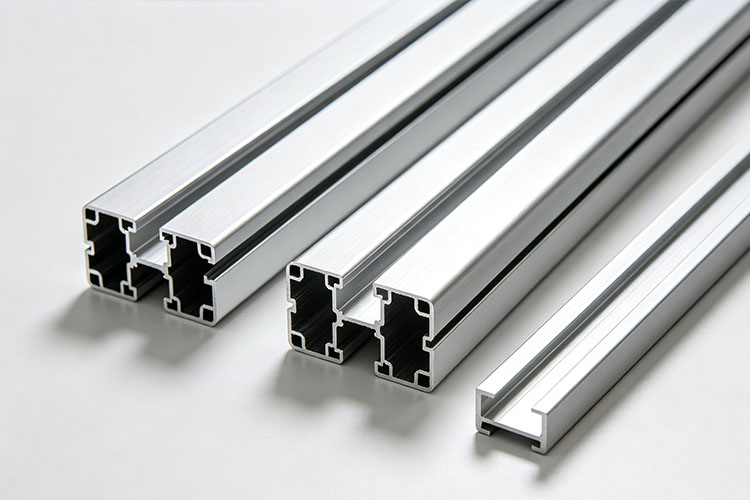
6063-T5 Aluminum Alloy
6063 is the most widely used alloy for solar panel frame profiles and standard mounting rails. It offers good corrosion resistance, excellent extrudability, and a smooth surface finish ideal for anodizing. T5 temper provides sufficient strength for most residential and commercial solar installations.
-
6061-T6 Aluminum Alloy
For heavier structural components and utility-scale solar projects requiring higher load capacity, 6061-T6 is preferred. It delivers significantly higher tensile strength and is commonly used for ground mount support posts, heavy-duty rails, and large solar tracker structures.
-
6005A Alloy
6005A is another popular choice for solar mounting applications. It offers strength levels between 6063 and 6061, with good extrusion characteristics and corrosion resistance. It is often specified for medium-duty solar mounting rails and structural profiles.
Popular Types of Aluminum Profiles for Solar Panel Mounting
Solar mounting systems use a variety of extruded aluminum profiles, each designed for a specific function.
-
Solar Panel Frame Profiles
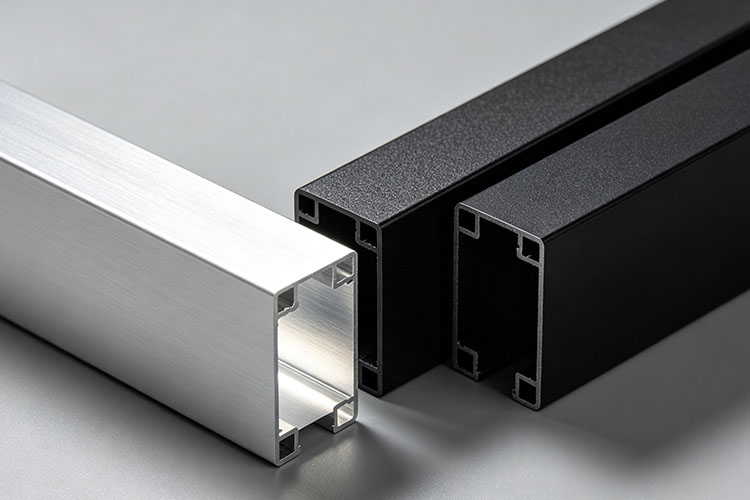
The aluminum frame that surrounds each solar panel is typically made from 6063-T5 extruded profiles. These frames protect the panel edges, provide mounting points, and contribute to the overall structural rigidity of the module. Anodized silver or black finishes are the most common.
-
Solar Mounting Rail Profiles
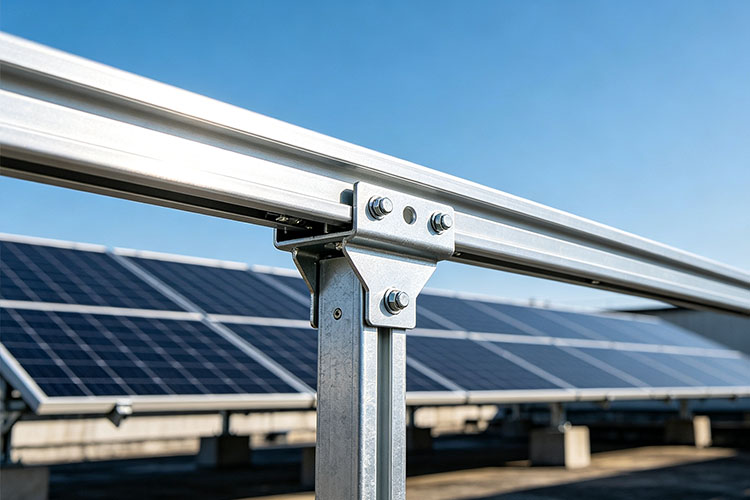
Mounting rails are the horizontal or vertical profiles that solar panels attach to. They feature specialized slots for fasteners, enabling easy adjustment and secure clamping. Rail profiles come in various sizes to match different panel dimensions and load requirements.
-
Solar Bracket & Clamp Profiles
Mid-clamps, end-clamps, and mounting brackets are all typically made from extruded aluminum. These small but critical components hold panels securely to the rails and allow for quick, tool-friendly installation on rooftops or ground mount systems.
-
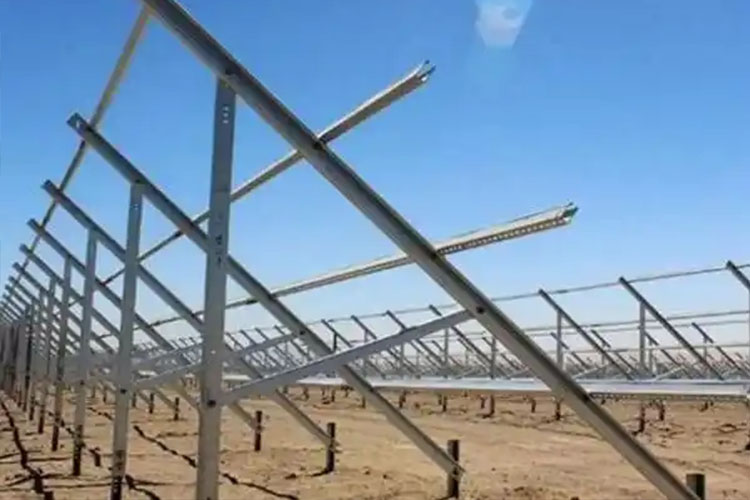
Ground Mount & Roof Mount Structural Profiles
For large-scale solar farms and ground mount systems, heavier structural aluminum profiles — including H-beams, square tubes, and custom support sections — provide the primary structural framework. These are often made from 6061-T6 or 6005A for maximum strength and durability.
Surface Treatments for Solar Aluminum Profiles
Surface treatment is critical for outdoor solar applications, as it directly affects corrosion resistance, aesthetics, and service life.
-
Anodizing (Most Common)
Anodizing is the standard surface treatment for solar mounting aluminum profiles. It creates a thick, durable oxide layer that significantly enhances corrosion resistance and wear performance. Natural sliver anodized and black anodized are the two most popular options for solar systems. Typical anodizing thickness ranges from 8–15 microns for standard applications, and 15–25 microns for coastal or highly corrosive environments.
-
Powder Coating
Powder coating provides a thicker, more decorative finish and is available in a wide range of colors. Black powder-coated profiles are popular for residential rooftop systems where visual aesthetics matter. Powder coating also offers good corrosion protection, though it can be less durable than anodizing in extremely harsh environments.
-
Mill Finish
Mill finish (untreated) aluminum is sometimes used for hidden structural components or budget projects. While aluminum's natural oxide layer provides basic corrosion protection, mill finish is not recommended for long-term outdoor solar mounting in harsh climates.
Key Specifications to Consider When Choosing Solar Mounting Profiles
Selecting the right aluminum profiles for your solar project means evaluating several critical parameters.
-
Alloy & Temper
Match the alloy and temper to your load requirements. 6063-T5 is sufficient for most standard rooftop systems, while 6061-T6 is better for heavy-duty ground mounts and tracker systems.
-
Wall Thickness & Load Capacity
Thicker walls mean higher load capacity but also higher material cost. Work with your extrusion supplier to calculate the optimal wall thickness based on wind load, snow load, and span distance requirements.
-
Surface Treatment & Corrosion Rating
Consider the installation environment. Coastal areas, industrial zones, and regions with high humidity require thicker anodizing or additional corrosion protection. Always specify the required anodizing class or coating thickness in your drawing.
-
Dimensional Tolerance
Precise dimensional tolerance ensures easy assembly and proper fit between rails, clamps, and panels. Custom extruded profiles can be held to tight tolerances, reducing on-site adjustment time and improving overall system quality.
Benefits of Using Custom Extruded Aluminum Solar Profiles
While standard off-the-shelf profiles work for simple projects, custom extruded profiles offer significant advantages for solar mounting system manufacturers.
-
Perfect Fit for Your System Design
Custom extrusion means the profile cross-section is designed exactly for your mounting system — with integrated slots, mounting holes, and connection features that eliminate the need for extra hardware.
-
Optimized Material Usage
Custom profiles are engineered to put material exactly where strength is needed, reducing unnecessary weight and cost while maintaining structural performance.
-
Consistent Quality for Mass Production
Extrusion delivers highly consistent profile dimensions across thousands of meters. This means every piece fits the same way, reducing assembly errors and rework on the production line.
-
Faster Assembly on Site
Well-designed custom solar mounting profiles with modular connection features dramatically speed up on-site installation, reducing labor costs and project timelines.
FAQ
1.What aluminum profile is used for solar panel mounting?
The most common aluminum profiles for solar panel mounting are 6063-T5 extruded profiles for panel frames and standard mounting rails, and 6061-T6 profiles for heavier structural components such as ground mount supports and large-scale solar tracker systems.
2.What is the best aluminum alloy for solar panel frames?
6063-T5 aluminum alloy is the industry standard for solar panel frames. It offers excellent corrosion resistance, good strength, a smooth surface finish ideal for anodizing, and cost-effective extrusion production.
3.How thick should solar mounting aluminum profiles be?
Wall thickness depends on the load requirements and span distance. Standard residential rooftop mounting rails typically range from 1.5mm to 3mm wall thickness, while heavy-duty ground mount structural profiles can be 4mm or thicker. Always calculate based on local wind and snow load requirements.
4.Do solar aluminum profiles need anodizing?
Anodizing is highly recommended for all outdoor solar mounting aluminum profiles. It significantly increases corrosion resistance, extends service life, and improves surface durability. For coastal or highly corrosive environments, thicker anodizing (15 microns or more) is essential.
5.Can solar mounting aluminum profiles be custom designed?
Yes. Aluminum extrusion is highly customizable. Solar mounting system manufacturers frequently work with extrusion suppliers to design custom profile cross-sections with integrated slots, mounting features, and connection points optimized for their specific system design.
6.How long do aluminum solar mounting systems last?
A properly designed and anodized aluminum solar mounting system can last 25–30 years or more — often matching or exceeding the service life of the solar panels themselves. The exact lifespan depends on alloy choice, surface treatment quality, and environmental conditions.
Conclusion
Aluminum profiles for solar panel mounting are an essential component of every solar energy system. With the right alloy selection, profile design, and surface treatment, aluminum delivers the strength, corrosion resistance, and design flexibility that solar mounting systems require for decades of reliable outdoor performance.Whether you need standard solar panel frame profiles, custom mounting rails, or heavy-duty structural sections for utility-scale solar projects, choosing a reliable aluminum extrusion manufacturer ensures consistent quality, precise dimensions, and long service life.At Aluleader, we provide custom extruded aluminum profiles for solar mounting systems — including anodizing, CNC machining, and precision cutting — all manufactured to your exact specifications. Contact our engineering team to discuss your solar profile project.
Interested in more technical content? Explore our blog or visit our FAQ page for more aluminum extrusion guides.