Welcome to Aluleader Metal
Importing Aluminum Profiles from China to Ethiopia: Buyer’s Guide
For Ethiopian window manufacturers, aluminum distributors and building-material importers, sourcing aluminum profiles from China can provide access to a wide range of window and door systems, custom extrusion capabilities and surface-finishing options.
However, importing aluminum profiles is different from purchasing a simple finished product.
An aluminum window system may contain many matching extrusions, and every profile needs the correct:
Cross-section
Wall thickness
Alloy and temper
Surface finish
Color
Length
Quantity
A small mistake in the specification can affect an entire shipment.
For this reason, finding an aluminum profile supplier in China should not be based on price alone.
This guide explains the practical steps Ethiopian buyers should consider when sourcing aluminum window and door profiles from China.
1. Why Source Aluminum Profiles From China?
China has a large aluminum extrusion manufacturing industry capable of producing both standard and customized profiles.
For overseas buyers, this can provide access to:
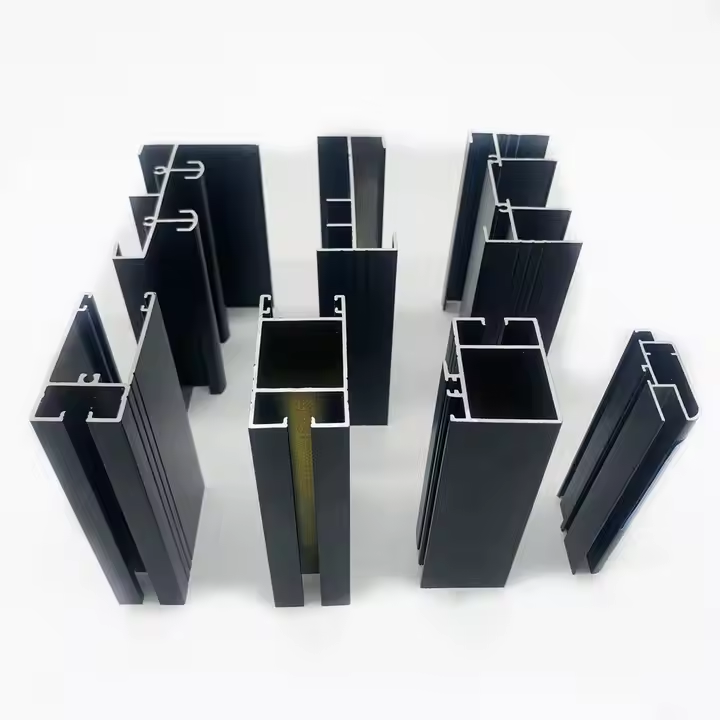
Window and door profiles
Architectural aluminum profiles
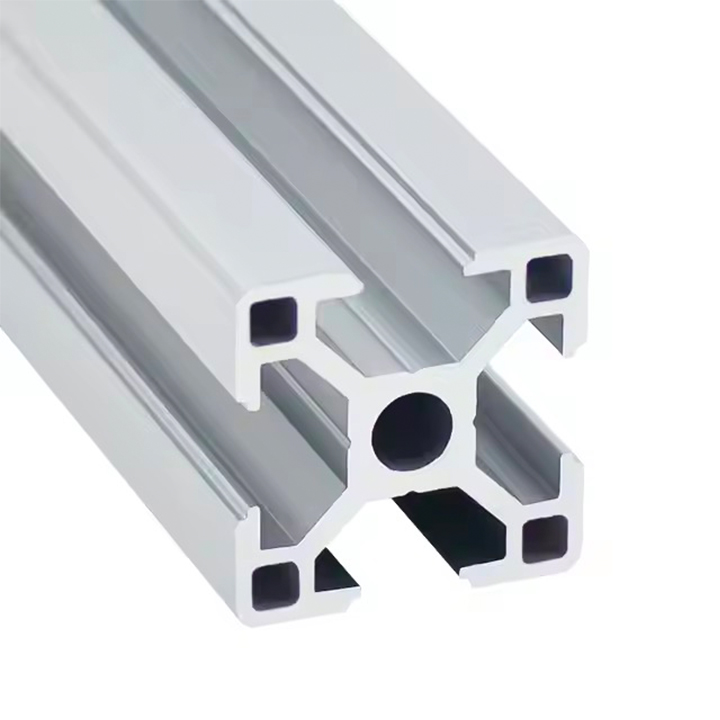
Industrial extrusions
Standard aluminum profiles
Custom extrusion dies
Powder coating
Anodizing
Wood-grain finishes
Cutting and fabrication services
For window and door businesses in Ethiopia, one of the main advantages is the ability to source a complete profile system rather than only individual aluminum sections.
Aluleader manufactures a range of architectural aluminum profiles for windows, doors and building applications.
2. Start With the Window System, Not the Price
One of the biggest mistakes when importing aluminum profiles is asking:
“What is your price per ton?”
before confirming the actual profile.
The price per ton does not tell you whether the supplier is quoting the product you need.
Two aluminum profiles can have similar external shapes but different:
Cross-sections
Wall thicknesses
Weight per meter
Alloy and temper
Surface finish
Dimensions
For a window system, the first question should therefore be:
Can the supplier provide the complete profile system I need?
Only after confirming the product specification does price comparison become meaningful.
3. Prepare a Complete Profile List
Before contacting an aluminum extrusion manufacturer, prepare a list of all the profiles required for your window or door system.
For a sliding window, this might include:
Outer frame
Top track
Bottom track
Sash
Interlock
Fixed section
Glass-related profiles
Accessory profiles
Mosquito-screen profiles
For an Ethiopia LTZ-type system, the list may include:
L
T
Z
Zekolo
Fasha
Other matching sections
Providing the complete list helps the supplier check which extrusion dies are already available and which profiles may require new tooling.
If you are sourcing this particular system, see our LTZ Series 1.4mm Sliding Window Aluminum Profiles for Ethiopia.
4. Send Drawings or Physical Samples
Profile names alone are not sufficient for manufacturing.
For example, two suppliers may both have a product called:
“Z Profile”
but the actual cross-sections may be completely different.
The best reference is a technical drawing.
Common formats include:
DWG
DXF
Dimensioned PDF
The drawing should clearly show the profile cross-section and important dimensions.
What If You Do Not Have a Drawing?
If you already use the profile in Ethiopia but do not have CAD files, you can send a physical aluminum profile sample.
The manufacturer can use the sample as a reference for technical evaluation and drawing development.
Before opening a new extrusion die, the final production drawing should still be confirmed.
5. Confirm Alloy and Temper
The aluminum alloy and temper should be included in the RFQ.
For architectural window and door profiles, 6063-T5 is commonly used.
For example:
Alloy: 6063
Temper: T5
Do not simply write:
“Aluminum window profile.”
The material specification matters.
If you want to understand why 6063 is widely used for window and door extrusion, see our dedicated guide:
Why 6063 Aluminum Is Widely Used for Window and Door Profiles
That article explains 6063, T5 and architectural extrusion in more detail.
6. Confirm Wall Thickness Before Comparing Prices
Wall thickness can have a major effect on profile weight and material consumption.
Suppose Supplier A quotes a profile at 1.2mm while Supplier B quotes the same-looking profile at 1.4mm.
Even if both use 6063-T5, the two quotations are not based on the same specification.
The thicker profile will generally contain more aluminum if the remaining geometry is comparable.
For some Ethiopian window systems, buyers request 1.4mm wall thickness according to their existing profile or project requirement.
Therefore, your RFQ should clearly state:
Required wall thickness: 1.4mm
or the actual thickness required for your project.
For a detailed explanation, see:
Aluminum Profile Wall Thickness for Windows and Doors: A Buyer’s Guide
7. Confirm Surface Finish and Color
The next step is to confirm how the aluminum should be finished.
Common architectural options include:
Powder Coating
Suitable when a particular architectural color is required.
Anodizing
Often selected when a metallic aluminum appearance is preferred.
Wood Grain
Used where a decorative timber-like appearance is required.
If you choose powder coating, do not specify only:
“White”
or:
“Black”
where precise color matching is important.
Instead, provide a recognized color reference or physical sample.
You can also read our surface finishing options for aluminum extrusions for an overview of common finishing processes.
8. Ask Whether Existing Dies Are Available
Every custom aluminum extrusion requires a die.
If the Chinese supplier already has a suitable die for your profile, new tooling may not be necessary.
If the profile is different, a new extrusion die may be required.
Therefore, send the complete drawing or sample and ask the manufacturer to check:
Existing die available?
or
New die required?
Do not assume that two profiles with similar names use the same die.
Even a small change in cross-sectional geometry may require different tooling.
9. Understand MOQ Before Ordering
MOQ means Minimum Order Quantity.
When importing aluminum profiles, buyers should confirm MOQ early in the quotation process.
The MOQ may depend on factors such as:
Profile size
Profile weight
Alloy
Surface finish
Color
Number of profile designs
Production requirements
This becomes particularly important when purchasing a complete window system.
Imagine a system with 15 different profiles.
You may need different quantities of:
Frame
Sash
Track
Interlock
Accessory sections
Therefore, do not calculate the order only as:
“I need 10 tons.”
Prepare the required quantity for each profile.
10. Understand Profile Weight Per Meter
Weight per meter is an important piece of information when purchasing aluminum extrusions.
It helps buyers estimate:
Total aluminum consumption
Number of pieces
Approximate order weight
Container planning
Material cost
For example, if a profile weighs:
0.85 kg/m
and each piece is:
6 meters
then one piece has a theoretical weight of approximately:
5.1 kg
The actual commercial calculation should follow the supplier's confirmed profile data and agreed method.
Weight per meter is especially useful when comparing different profile designs.
11. Confirm the Required Profile Length
Aluminum extrusions are supplied in specified lengths.
The buyer should confirm the required length before production.
For example:
5.8m
6.0m
Customized length
The correct choice may depend on:
Fabrication requirements
Container loading
Local cutting plan
Material utilization
Transportation limitations
A small change in profile length can influence how efficiently the material fits the buyer's production process.
12. Request Samples Before Mass Production When Necessary
Samples are especially important when:
A new die is being developed
An existing Ethiopia profile is being reproduced
The wall thickness has been modified
A new window system is being introduced
Hardware compatibility needs to be tested
During sample approval, check:
Cross-section
Critical dimensions
Wall thickness
Profile weight
Straightness
Surface quality
Matching profiles
Glass compatibility
Hardware compatibility
For customized profiles, sample approval can reduce the risk of discovering a design problem after mass production.
13. Check Dimensional Tolerances
An extrusion drawing contains nominal dimensions, but actual production is controlled within agreed manufacturing tolerances.
For window profiles, particular attention should be given to dimensions affecting:
Glass grooves
Interlocking sections
Hardware
Tracks
Screw channels
Matching profiles
Do not apply unnecessarily tight tolerances to every dimension.
Instead, identify the dimensions that are critical to assembly.
Our dedicated guide to aluminum extrusion tolerances explains how buyers should evaluate dimensional tolerance, straightness, twist and profile fit.
14. Test the Complete Window System
Checking one aluminum profile is not enough if it belongs to a complete system.
For example:
Frame + sash + interlock + track
must work together.
Where possible, the buyer or manufacturer should test the profiles with the intended:
Glass
Gaskets
Rollers
Locks
Screws
Connectors
This is particularly important when reproducing an existing window system from physical samples.
A profile may look correct individually but still create assembly problems when matched with other components.
15. Confirm Packaging Before Shipment
Aluminum profiles are long products with large visible surfaces.
Improper packaging can lead to:
Scratches
Abrasion
Profile-to-profile damage
Surface contamination
Handling damage
This is particularly important for finished profiles such as:
Powder-coated aluminum
Anodized aluminum
Wood-grain aluminum
Before placing the order, discuss the packaging method with the supplier.
Depending on the product and requirement, this may involve:
Protective film
Individual protection
Bundled wrapping
Separation materials
Export packaging
The objective is to protect the visible surfaces during handling and international transportation.
16. Make Profile Identification Easy
A complete shipment can contain many similar-looking aluminum extrusions.
After the container arrives, warehouse and fabrication staff need to know which profile is which.
For example:
LTZ-L01
LTZ-T01
LTZ-Z01
LTZ-F01
A clear identification system can make receiving and inventory management much easier.
Before shipment, discuss how different profiles will be identified on:
Bundles
Labels
Packing lists
Internal product codes
This is particularly useful for orders containing many dies.
17. Plan Container Loading Carefully
Aluminum profiles are unusual cargo because they are:
Long
Relatively lightweight for their volume
Sensitive to surface damage
Often supplied in many different profile designs
Therefore, container planning should consider more than total tonnage.
The supplier also needs to consider:
Profile length
Bundle dimensions
Number of bundles
Surface protection
Loading sequence
Available container space
For mixed-profile orders, good packing and loading planning can make unloading and warehouse identification easier after arrival in Ethiopia.
18. Confirm Shipping Terms Clearly
Before placing an international order, buyer and supplier should agree on the applicable commercial shipping terms.
Depending on the quotation, these may involve arrangements such as:
EXW
FOB
CIF
Other agreed Incoterms
The selected term affects which party is responsible for different parts of the logistics process.
For example, buyers should understand who is responsible for:
Inland transport in China
Export arrangements
Ocean freight
Insurance where applicable
Destination charges
Import clearance
Inland delivery in Ethiopia
These responsibilities should be clearly agreed before the order is confirmed.
19. Confirm Required Import Documents Before Shipment
International shipments normally require commercial and transport documentation.
Depending on the transaction and destination requirements, documents may include items such as:
Commercial invoice
Packing list
Bill of lading
Certificate or product documentation where required
Other documents requested by the buyer, bank, customs broker or relevant authority
Requirements can change according to the product, transaction, payment method and current Ethiopian import rules.
Therefore, before shipment, Ethiopian buyers should confirm the latest documentation requirements with their local customs broker, bank and relevant authorities.
This is safer than assuming that a document list from a previous shipment will always remain unchanged.
20. Calculate Landed Cost, Not Just Factory Price
The factory price of the aluminum profiles is only one part of the total purchasing cost.
A buyer may also need to consider:
Tooling
Surface finishing
Packaging
Inland transport
Export-related charges
Ocean freight
Insurance where applicable
Destination charges
Import duties and taxes where applicable
Customs clearance
Inland transport in Ethiopia
Therefore, the cheapest factory quotation does not necessarily result in the lowest landed cost.
When comparing suppliers, make sure the quotations use the same:
Profile + weight + specification + finish + quantity + shipping term
21. How to Evaluate an Aluminum Profile Supplier in China
Price matters, but it should not be the only criterion.
When evaluating a supplier, consider whether they can:
Understand Your Drawings
Can they review CAD drawings and identify important dimensions?
Produce the Required Profiles
Do they have the required extrusion and finishing capabilities?
Develop Custom Dies
Can they reproduce or modify your existing profile system?
Control Dimensions
Can they work according to agreed drawings and tolerance requirements?
Provide Surface Finishing
Can they supply the required powder coating, anodizing or other finish?
Produce Samples
Can samples be checked before mass production where required?
Package for Export
Can the profiles be protected for international transportation?
A supplier who understands the complete system can be more useful than one who simply provides a low price per ton.
22. Red Flags When Comparing Aluminum Profile Quotations
Be careful if quotations appear dramatically different.
Check whether suppliers are actually quoting the same specification.
Red Flag 1 — No Drawing Confirmation
If the supplier quotes a custom profile without properly checking the cross-section, ask what specification the quotation is based on.
Red Flag 2 — Wall Thickness Is Unclear
A lower price may be based on a lighter profile.
Red Flag 3 — Surface Finish Is Unclear
Mill finish and finished architectural profiles should not be compared as if they are identical products.
Red Flag 4 — Profile Weight Is Significantly Different
Ask why.
It may indicate a difference in wall thickness or cross-sectional design.
Red Flag 5 — Matching Profiles Are Not Checked
For window systems, one profile cannot always be evaluated independently.
Red Flag 6 — Packaging Is Not Discussed
A low quotation may not include the surface protection you expect.
23. What Should an Ethiopian Buyer Send for a Quotation?
A complete RFQ makes supplier comparison much easier.
Aluminum Profile Import RFQ Checklist
| Information | What to Provide |
|---|---|
| Application | Window, door or other use |
| Profile system | LTZ or other required system |
| Profile list | Complete list of required sections |
| Drawings | DWG, DXF or dimensioned PDF |
| Samples | Existing physical samples if drawings are unavailable |
| Alloy | For example, 6063 |
| Temper | For example, T5 |
| Wall thickness | For example, 1.4mm |
| Surface finish | Powder coated, anodized, etc. |
| Color | Color reference or sample |
| Profile length | Required length |
| Quantity | Quantity for each profile |
| Packaging | Required protection |
| Destination | Ethiopia |
| Shipping term | Required quotation term |
This gives the supplier enough information to prepare a much more meaningful quotation.
24. Example: Ethiopia LTZ Profile RFQ
Instead of sending:
“Please send price for Ethiopia aluminum profiles.”
a better inquiry would be:
We are looking for LTZ aluminum window profiles for Ethiopia.
Alloy: 6063-T5
Wall thickness: 1.4mm
Profiles required: L, T, Z, Zekolo, Fasha and matching sections
Surface finish: Powder coated
Color: [required color]
Length: [required length]
Quantity: [quantity by profile]
Destination: Ethiopia
Drawings/samples attached.
This gives the manufacturer a much clearer understanding of what you actually need.
25. Common Mistakes When Importing Aluminum Profiles From China
Mistake 1: Buying Only by Price Per Ton
Different profile specifications can make the comparison meaningless.
Better approach: Compare identical drawings and specifications.
Mistake 2: Sending Only Photos
Photos cannot accurately define the cross-section.
Better approach: Send CAD drawings or physical samples.
Mistake 3: Forgetting Matching Profiles
A window system requires multiple sections.
Better approach: Send the complete profile schedule.
Mistake 4: Not Confirming Wall Thickness
This can result in different profile weights and costs.
Better approach: State the nominal thickness clearly.
Mistake 5: Skipping Sample Approval for New Dies
Problems may only appear during assembly.
Better approach: Test samples before mass production.
Mistake 6: Ignoring Packaging
Finished surfaces can be damaged during transport.
Better approach: Agree on packaging before production is completed.
Mistake 7: Checking Import Requirements Too Late
Missing documentation can create avoidable problems.
Better approach: Confirm current Ethiopian requirements with your broker and relevant parties before shipment.
Frequently Asked Questions
Can I import aluminum window profiles from China to Ethiopia?
Yes. Ethiopian importers, distributors and window fabricators can source aluminum profiles from Chinese manufacturers, subject to applicable trade, import, banking and customs requirements.
Can a Chinese manufacturer reproduce my existing Ethiopia window profile?
In many cases, yes. You can provide a CAD drawing or physical sample for technical evaluation. A new extrusion die may be required if a matching die is not available.
Can I order 1.4mm aluminum profiles?
Yes. 1.4mm profiles can be manufactured for suitable designs according to the agreed drawing and technical requirements.
What alloy is commonly used for aluminum window profiles?
6063 is widely used for architectural window and door extrusions. 6063-T5 is a common specification for many window-profile applications.
Do I need to send CAD drawings?
CAD drawings are preferred. If drawings are unavailable, physical profile samples can be used as a reference for technical evaluation.
Can I order powder-coated profiles?
Yes. Architectural aluminum profiles can be supplied with powder-coated finishes in specified colors, subject to the order requirements.
Can different profiles be shipped in the same container?
A shipment can contain multiple profile designs, subject to order quantities, packaging and loading arrangements. The exact loading plan should be confirmed with the supplier.
Source Aluminum Profiles From China for Ethiopia
Aluleader is a China-based manufacturer of architectural aluminum profiles for window, door and building applications.
For Ethiopian buyers looking for sliding-window profiles, view our LTZ Series 1.4mm Sliding Window Aluminum Profiles for Ethiopia.
We can evaluate both existing profile systems and custom aluminum extrusion requirements based on drawings or physical samples.
For a quotation, send:
Profile list + CAD drawing or physical sample + alloy/temper + wall thickness + finish + color + length + quantity + destination
If you already purchase aluminum window profiles in Ethiopia and want to reproduce your current profile system, send us the existing drawings or profile samples for technical review.