Welcome to Aluleader Metal
Anodized vs. Powder Coated Aluminum: Which One Should You Choose?
When sourcing aluminum profiles for architectural, industrial, or commercial projects, choosing the right surface finish is just as critical as selecting the alloy grade itself. Two methods dominate the industry: anodizing and powder coating.
Clients often ask us at Aluleader: "Which one is better?" The short answer is: It depends on your application environment and aesthetic goals. Neither is universally superior, but one is almost certainly better suited for your specific project.
1. The Core Differences: How They Work
To understand how they perform, you first need to understand how they are applied.
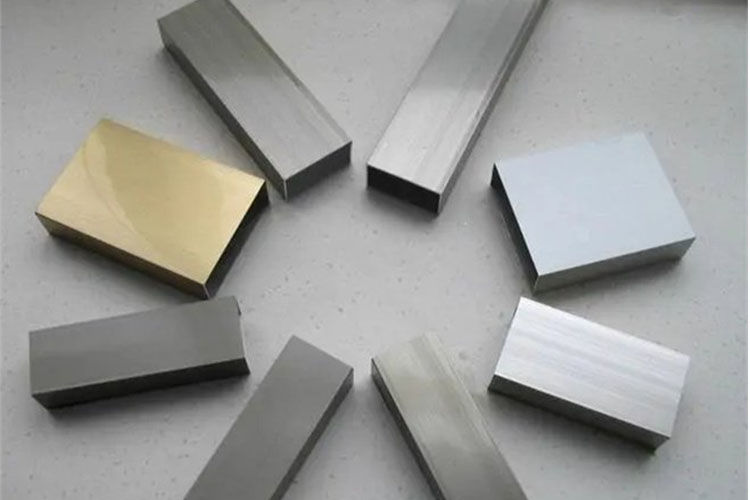
Anodizing (Electrochemical Process): Anodizing doesn't add a layer of paint; instead, it uses an electrochemical bath to transform the outer structure of the aluminum substrate into a hard, integrated aluminum oxide layer. This layer becomes part of the metal itself.
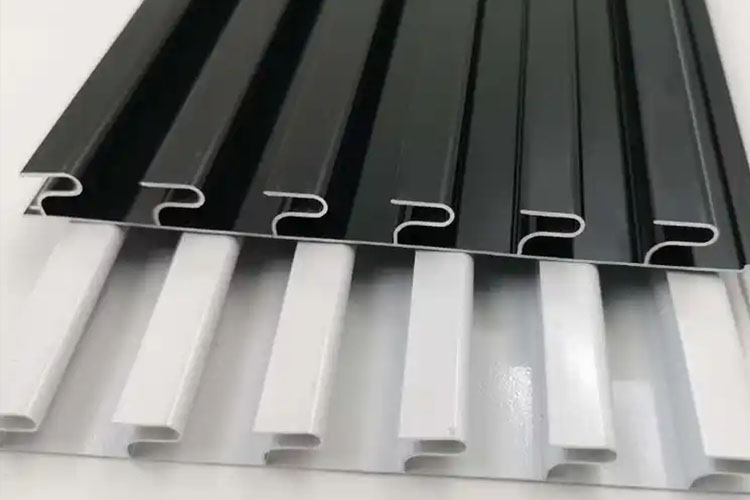
Powder Coating (Electrostatic Application): Powder coating sprays finely ground particles of resin and pigment electrostatically onto the aluminum profile, which is then cured under high heat in an oven to form a thick, protective, and colorful polymer film.
2. Performance Comparison by Key Metrics
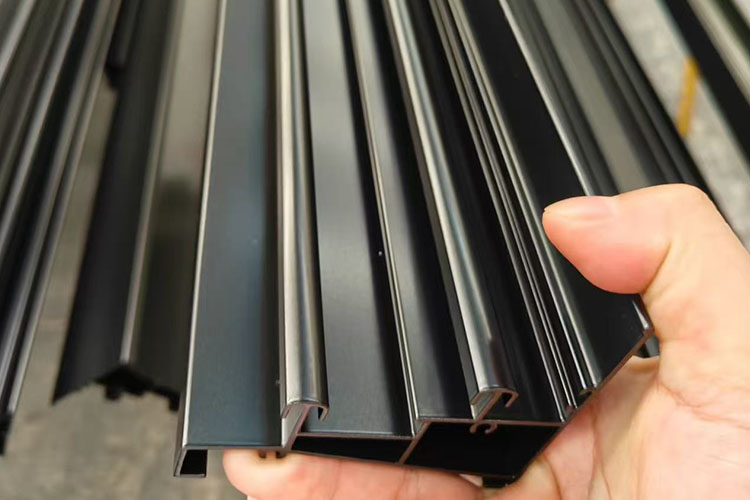
Surface Hardness and Scratch Resistance: Anodized aluminum features an extremely high surface hardness because its protective layer is grown from the metal itself, meaning it will never peel, flake, or blister. However, because the anodic layer is thin and possesses a ceramic-like brittleness, it can still be scratched or chipped down to the bare metal ("exposure") if subjected to heavy impact or sharp tools. Powder coated aluminum offers moderate to high hardness depending on the resin type, and its polymer film provides a slight cushioning effect against minor handling friction.
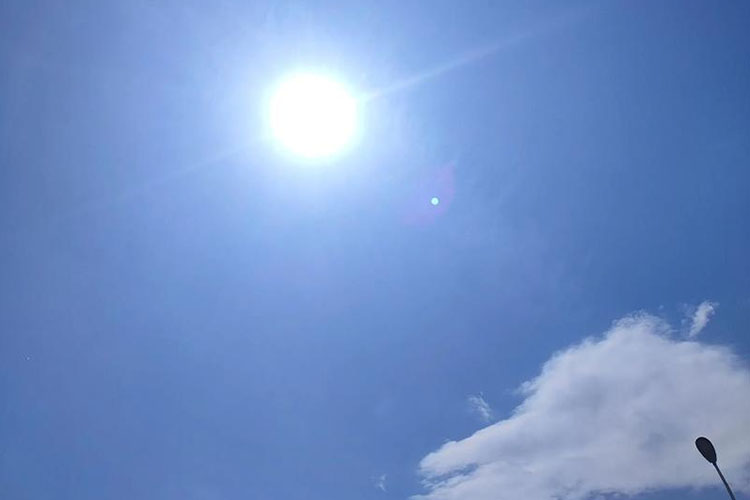
Corrosion and UV Resistance: Natural Sliver Anodized profiles provide permanent, exceptional UV resistance (they will never fade, chalk, or degrade in intense sunlight) and perform exceptionally well in harsh or marine environments. However, colored anodized options (like black or bronze) require high-grade weathering dyes to avoid fading under prolonged equatorial sun. Powder coated profiles also offer high corrosion resistance and excellent color retention if utilizing outdoor-grade polyesters or PVDF.
Aesthetic Options: Anodizing preserves a clean, modern metallic look, though color choices are typically limited to metallic and earthy tones. Powder coating delivers infinite design flexibility with endless RAL color matching, as well as matte, gloss, or textured finishes.
3. Deep Dive: When to Choose Anodized Aluminum Profiles
Anodizing is the gold standard when you want to preserve the metallic look of aluminum, provided that the application environment and handling conditions are properly managed:
Permanent UV Stability (Natural Sliver Anodized): If your project demands long-term exposure to intense sunlight without any risk of organic dye fading, Natural sliver Anodized profiles offer absolute chemical and UV stability.
Industrial & High-Wear Protection: Because the finish is grown from the metal and will never peel or flake, it is ideal for controlled environments, handrails, or mechanical components where daily human contact is high.
The Crucial Handling Caveat: Because anodized layers are relatively thin and can "expose" the bare aluminum if deeply scratched (which then risks localized oxidation in humid or rainy climates), it requires meticulous protective packaging (such as EPE foam interleaving) during long-distance international shipping and careful on-site handling.
4. Deep Dive: When to Choose Powder Coated Aluminum Profiles
Powder coating wins when design flexibility, bold colors, and higher tolerance for rough transport or installation environments are your top priorities:
Endless Design & Color Options: Unlike anodizing, powder coating can match any RAL code, allowing you to achieve matte, glossy, or textured finishes tailored to specific architectural themes.
Better Logistical & Handling Tolerance: The thick polymer skin provides a more forgiving surface against minor handling friction, transport bumps, and standard construction-site wear compared to brittle thin-film anodizing.
Excellent Exterior Durability: Using high-grade outdoor powders (like PVDF) ensures that exterior facades, windows, and gates stay vibrant even in harsh tropical climates.
5. Cost and Maintenance Considerations
Cost: Standard clear or light-bronze anodizing is often cost-effective for large-volume industrial extrusions. However, complex multi-step color anodizing can rival or exceed powder coating costs. Powder coating pricing varies based on the choice of powder (e.g., standard Polyester vs. high-durability PVDF for architectural exteriors).
Maintenance: Both options are relatively low-maintenance. Anodized surfaces benefit from occasional neutral-detergent cleaning. Powder-coated surfaces require similar washing to prevent dirt build-up that could trap moisture in coastal environments.
Summary: Making Your Final Decision
Choose Anodized Aluminum Profiles if: Your priority is a pure metallic industrial aesthetic, superior surface hardness, and a permanent structure that will never peel or flake.
For Outdoor Projects: We strongly recommend Natural Sliver Anodized profiles to ensure absolute, permanent UV and fade-proof stability under strong sunlight.
Regarding Colored Anodization (Black, Bronze, etc.): While they offer stunning high-end aesthetics, we do not recommend standard colored anodizing for exterior environments exposed to direct, long-term sunlight due to the risk of dye fading over time. However, they are an exceptional, highly durable choice for indoor applications or fully shaded, non-direct-sunlight architectural areas. (Always ensure meticulous packaging to prevent transport scratching).
Choose Powder Coated Profiles if: Your project requires precise brand colors, uniform solid finishes, or superior aesthetic customization across diverse architectural exteriors, while offering a more forgiving surface against regular handling and transport conditions.
Need help evaluating which finish fits your product? Contact our technical team today at [email protected] to discuss your custom requirements, or explore our complete range of structural solutions directly on the Aluleader Official Website.