Welcome to Aluleader Metal
Aluminum Profile vs Metal Profile | Differences & How to Choose | Aluleader
Aluminum Profile vs Metal Profile: Key Differences, Applications & Selection Guide
Many buyers get confused about the definition of metal profile and aluminum profile when sourcing structural extrusions. A critical misunderstanding: metal profile is a broad general category covering all metal structural sections, while aluminum profile is one important subset of metal profiles.In this guide, we clarify the definitions, compare performance, cost, corrosion resistance, and share practical advice to help you select the right material for solar mounting, industrial frames, construction projects, and machinery applications.
Looking for custom extruded profiles? Contact Aluleader for OEM aluminum profile solutions tailored to your project.
What Is a Metal Profile?
A metal profile refers to any metal section formed into a specific cross-sectional shape for structural or functional use. It is an umbrella term that covers profiles made from various metals and alloys.
Definition of Metal Profile
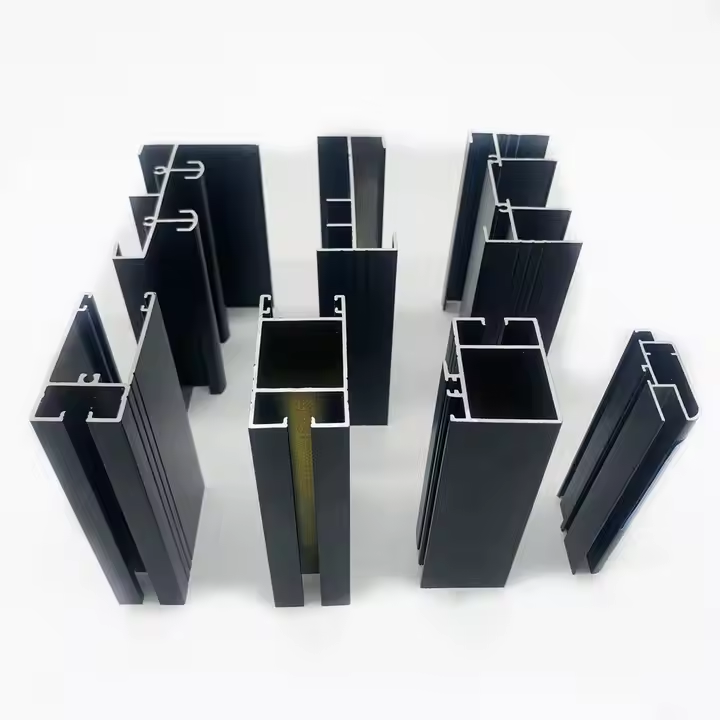
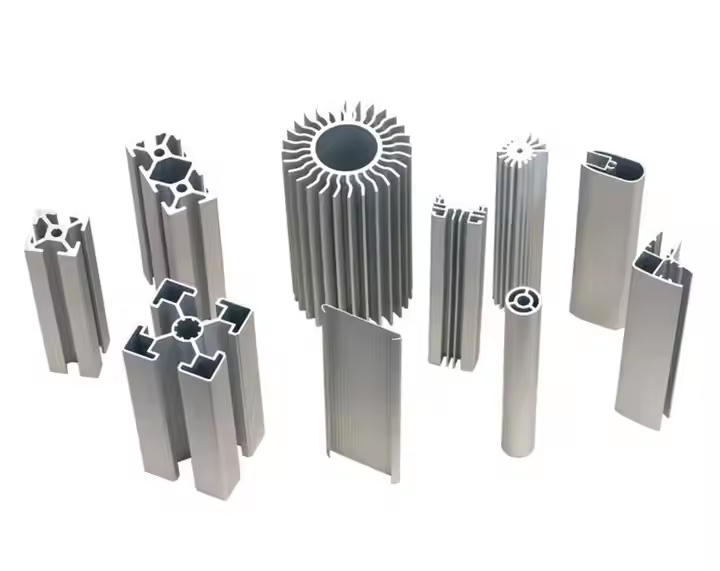
Metal profiles are manufactured through processes like extrusion, rolling, or bending, and are designed to provide structural strength, dimensional consistency, and specific functional features such as mounting slots, connection grooves, or reinforcement ribs.
Common Types of Metal Profiles on the Market
The metal profile category includes several widely used materials:Steel profiles — including carbon steel, stainless steel, and galvanized steel profiles. These are commonly used for heavy-load structural applications, building frameworks, and industrial equipment supports.Aluminum alloy profiles — lightweight, corrosion-resistant, and highly versatile. Aluminum extrusions are one of the fastest-growing segments within the broader metal profile market.Copper & brass profiles — used primarily for electrical conductivity applications, decorative trim, and specialized plumbing or HVAC components.In short, when someone says "metal profile," they could be referring to any of these materials. That is why clarifying the exact material is so important during the sourcing process.
What Is an Aluminum Profile?
An aluminum profile is a specific type of metal profile made from aluminum alloy, typically produced through the extrusion process. It is one of the most popular metal profile categories due to its unique combination of properties.
Aluminum Extrusion Profile Definition
Aluminum profiles are created by heating aluminum billets and forcing them through a die with a custom-designed cross-section. This process allows for extremely complex shapes to be produced consistently and cost-effectively.
Popular Aluminum Alloy Series for Profiles
The most commonly used aluminum alloys for structural and industrial profiles are:6063-T5 — The most widely used alloy for general-purpose aluminum profiles. It offers excellent extrudability, good corrosion resistance, and a smooth surface finish ideal for anodizing. Commonly used for window frames, door systems, and solar panel mounting structures.
6061-T6 — A higher-strength alloy preferred for heavy-duty structural applications, industrial equipment frames, and components requiring higher load capacity.
6005A — Offers strength levels between 6063 and 6061, with good extrusion characteristics, often specified for medium-duty structural profiles and transportation applications.
Core Differences: Aluminum Profile vs. General Metal Profiles
Understanding the key differences between aluminum profiles and other common metal profiles (especially steel) helps you make the right material choice for your project.
Material Scope & Classification Difference
The most fundamental difference is scope. Aluminum profile is a type of metal profile, not a separate category. When buyers compare "aluminum profile vs. metal profile," they are almost always comparing aluminum extrusions against steel metal profiles.
Weight & Strength-to-Weight Ratio
Aluminum is roughly one-third the weight of steel. While steel has higher absolute tensile strength, aluminum offers a far better strength-to-weight ratio. This means aluminum profiles can provide sufficient structural strength at a much lower weight — reducing transportation costs, making installation easier, and lowering the load on supporting structures like rooftops.Steel metal profiles, on the other hand, offer higher absolute strength and are preferred for extremely heavy-load applications where weight is not a primary concern.
Corrosion Resistance & Outdoor Lifespan
Aluminum naturally forms a protective oxide layer when exposed to air, giving it inherent corrosion resistance. With anodizing or powder coating, aluminum profiles can last 25–30 years or more in outdoor environments — even in coastal areas with salt air.Standard steel metal profiles rust easily when exposed to moisture. While galvanizing or painting can extend their lifespan to around 10–15 years, they require more maintenance and are generally less durable than aluminum in corrosive environments.
Machinability & Extrusion Flexibility
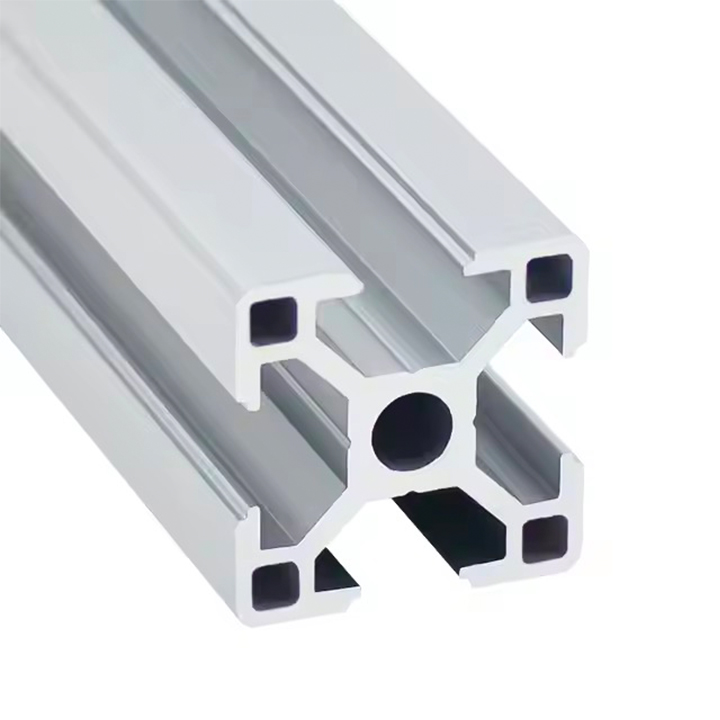
Aluminum is highly extrudable, meaning complex cross-sections with integrated slots, grooves, and mounting features can be produced in a single extrusion step. This design flexibility is one of the biggest advantages of aluminum profiles over other metal profile options.Steel profiles are typically produced through rolling or bending, which limits the complexity of achievable cross-sections. Custom steel profiles often require more secondary machining and fabrication steps.
Long-term Cost & Maintenance Requirements
Steel metal profiles generally have a lower upfront material cost per kilogram, but when you factor in transportation weight, installation labor, corrosion protection, and long-term maintenance, aluminum profiles often deliver better total cost of ownership — especially for outdoor applications with a 15+ year service life.Aluminum profiles require almost no maintenance once installed, while steel profiles may need periodic repainting or rust treatment to prevent degradation.
Typical Application Scenarios
General metal profiles (steel) are preferred for: heavy structural building frames, bridge components, high-load industrial machinery bases, and applications where absolute strength outweighs weight considerations.Aluminum profiles are preferred for: solar mounting systems, window and door frames, industrial workstation frames, conveyor systems, lightweight equipment enclosures, and any application where corrosion resistance and light weight are important.
When Should You Choose Metal Profiles (Steel Profiles)?
Steel-based metal profiles are the better choice in the following scenarios:
1.Your project requires very high load-bearing capacity and absolute structural strength
2.The application is indoors or in a dry environment where corrosion is not a major concern
3.Upfront material cost is the primary decision factor and long-term maintenance is acceptable
4.You need very thick, heavy structural sections for large-scale construction
In these cases, carbon steel or stainless steel metal profiles will deliver the performance you need at a competitive initial cost.
When Should You Select Aluminum Profiles Instead of Other Metal Profiles?
Aluminum profiles are the superior choice when:
1.You need a high strength-to-weight ratio and want to minimize overall system weight
2.The application is outdoors or in a humid/coastal environment where corrosion resistance is critical
3.You require complex custom cross-sections with integrated mounting features
4.Low long-term maintenance is a priority
5.You want a material that is 100% recyclable and supports sustainability goals
For most modern industrial, architectural, and renewable energy applications, aluminum profiles offer the best balance of performance, durability, and total cost.
Frequently Asked Questions
Is aluminum profile a type of metal profile?
Yes, aluminum profile is a specific type of metal profile. The term "metal profile" covers all metal structural sections including steel, aluminum, copper, and brass. Aluminum profiles are one of the most widely used categories within the broader metal profile market.
Metal profile or aluminum profile for solar panel mounting?
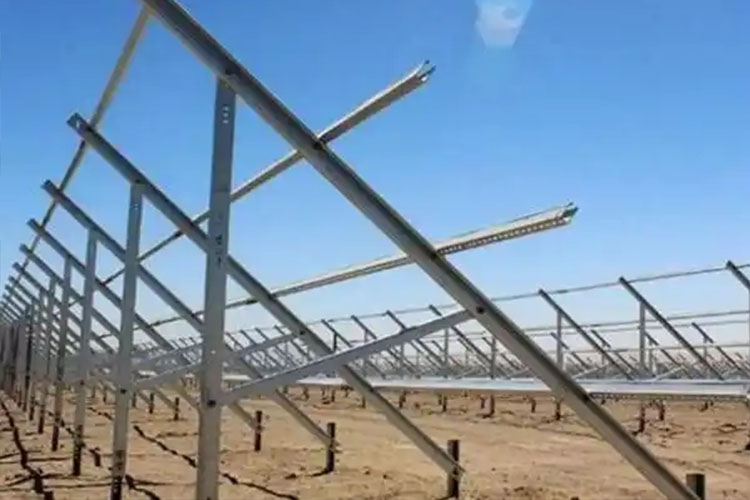
For solar panel mounting systems, aluminum profiles are almost always the better choice. They offer excellent corrosion resistance for outdoor exposure, light weight for easier rooftop installation, and sufficient structural strength for typical solar loads. Steel metal profiles are rarely used for standard solar mounting due to weight and corrosion concerns.
Which metal profile has better rust resistance?
Aluminum profiles have significantly better natural corrosion resistance than standard steel metal profiles. Aluminum forms a self-protective oxide layer and can be further enhanced with anodizing or powder coating for 25+ years of outdoor service. Steel profiles require galvanizing or painting to resist rust and will eventually corrode if the coating is damaged.
Can I replace steel metal profiles with aluminum extrusions?
In many cases, yes — but it depends on the load requirements. Aluminum profiles can replace steel profiles in most medium-load structural applications, especially when weight and corrosion resistance are important. For extremely heavy-load applications, you may need to increase the wall thickness or choose a higher-strength aluminum alloy like 6061-T6 to match steel performance.
Final Selection Tips
Choosing between aluminum profiles and other metal profiles comes down to matching the material to your specific project requirements.Start by asking yourself these questions:
1.Is weight a critical factor for my application?
2.Will the profile be exposed to outdoor conditions or moisture?
3.Do I need a complex custom cross-section?
4.What is my expected service life and maintenance budget?
For most industrial, architectural, and renewable energy projects today, aluminum profiles offer the best overall combination of performance, durability, and value. For extremely heavy structural applications where weight is irrelevant, steel metal profiles remain a cost-effective choice.
As a professional aluminum extrusion manufacturer with more than 15 years of experience, we frequently receive inquiries from clients mixing up metal profile and aluminum profile terminology. Improper material selection can increase transportation costs or cause premature rust failure in outdoor projects — so taking the time to clarify the right material upfront is always worth it.If you're unsure which material or profile design is right for your project, send us your specifications or drawings and our engineering team will recommend the optimal solution.
Looking for more technical guides? Explore our blog or browse our full aluminum profile catalog-we look forward to cooperating with you!

Foshan Aluleader Metal Materials Co.,Ltd. (OEM&ODM)
is a comprehensive enterprise with over 15 years experence,engaging in the design, production and sales of aluminum profiles.Learn more...
If you have any question, feel free to contact us, Thank You !
Whatsapp: +8619867251009 Email: [email protected]