Welcome to Aluleader Metal
Anodized vs. Powder Coated Aluminum Profiles in Nigeria Outdoor
When sourcing aluminum profiles for construction, architectural cladding, or outdoor structures in West Africa, environmental conditions dictate material performance. Clients frequently ask our team at Aluleader: "Should we use anodized or powder coated aluminum profiles for outdoor projects in Nigeria?"
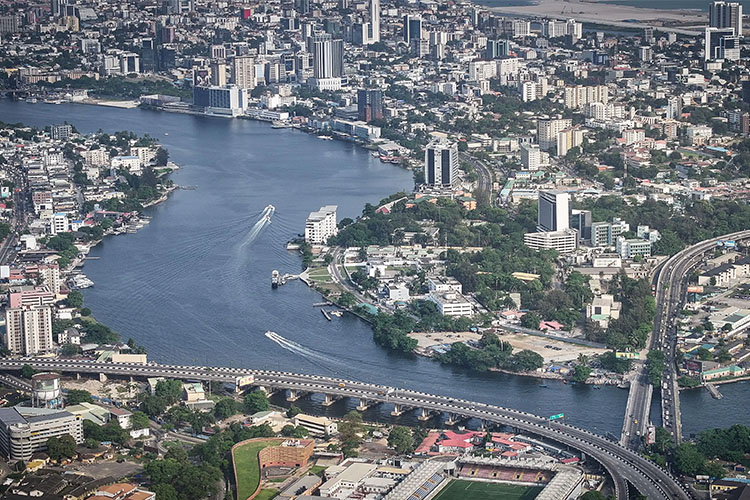
Given Nigeria’s equatorial proximity, intense solar radiation, high humidity, and regional weather variations, choosing the wrong surface finish can lead to premature fading, chalking, or corrosion.
1. Understanding Nigeria’s Outdoor Climate Challenges
Before evaluating the finishes, it is essential to look at what exterior materials face daily in Nigeria:
Extreme UV Radiation: Direct, high-intensity sunlight can degrade inferior organic finishes within months.
Thermal Stress and Humidity: High temperatures combined with seasonal heavy rains create a demanding micro-environment for exposed metals.
Logistics and Handling: Long-distance transport across rugged terrain requires surface finishes that can handle mechanical stress without failing.
2. Powder Coated Aluminum: The Preferred Outdoor Choice
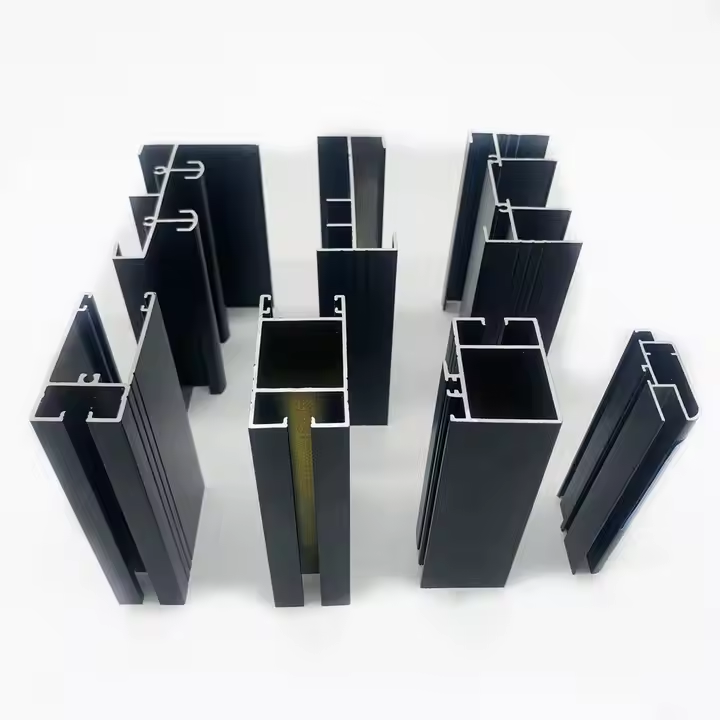
For the vast majority of outdoor applications in Nigeria—such as building facades, window frames, gates, and architectural louvers—powder coated aluminum profiles are the dominant and recommended choice.
Superior UV and Color Stability: Modern outdoor-grade powders (such as high-durability Polyester or PVDF architectural coatings) are engineered to reflect harsh sunlight. They retain their gloss and vibrant color tones for decades without chalking or fading.
Endless Aesthetic Flexibility: Nigerian commercial and residential architecture thrives on diverse design palettes. Powder coating offers unlimited RAL color matching, allowing projects to feature bold corporate identities or modern matte and textured finishes.
Surface Coverage and Edge Uniformity: The thick polymer layer completely encases the aluminum extrusion, providing a uniform, solid skin that smooths out minor joint and weld imperfections.
3. Anodized Aluminum Outdoors: Where It Excels and Where It Risks Failure
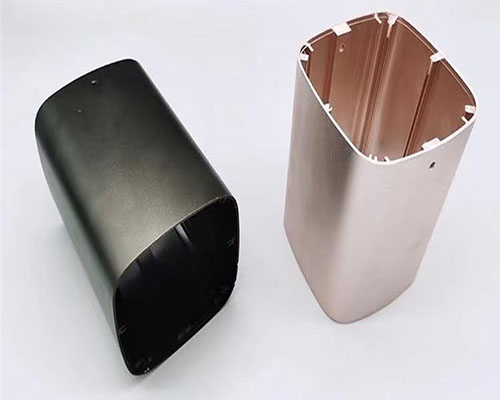
Anodized aluminum profiles offer exceptional hardness because the protective layer is grown directly from the aluminum substrate through an electrochemical process. However, using it outdoors in Nigeria requires careful consideration:
The Clear Anodizing Advantage: If you choose a Natural Sliver Anodized finish (without added dyes), it performs exceptionally well under intense UV light because there are no pigments to bleach or fade. It preserves a clean, modern metallic aesthetic.
The Risk of Colored Anodizing: If you use dark-colored anodized options (like black or bronze) under persistent equatorial sun, certain organic dyes can degrade or shift in tone over time.
The Vulnerability of "Exposure": Anodized layers are thin (typically 15 to 25 microns) and possess a ceramic-like brittleness. If an anodized profile is scratched down to the bare metal ("exposure") during rough transport or installation, the humid Nigerian air and seasonal rains can quickly trigger localized oxidation or white spot corrosion at the breach, which is notoriously difficult to repair on-site.
4. Critical Rules for Packaging and Exporting to West Africa
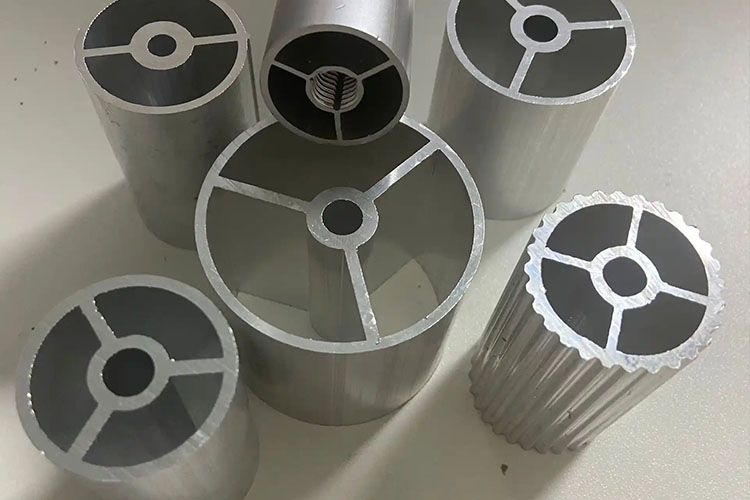
Regardless of whether you choose anodized or powder coated profiles for a Nigerian project, logistics is the final make-or-break factor. Because local transport routes can be severe:
Profiles must be separated using EPE foam or interleaving film to ensure zero metal-on-metal contact.
High-quality surface protection tape must be applied to shield the finish from abrasive dust and handling friction.
Summary: Making Your Final Choice for Nigeria
Choose Powder Coated Profiles if your project requires custom architectural colors, uniform solid finishes, and proven resistance to intense tropical sunlight.
Choose Clear Anodized Profiles if your priority is a pure metallic industrial aesthetic, provided the installation environment minimizes deep scratching and heavy impact.
Need professional advice on selecting the right finish and alloy grades for your next West African project? Reach out to our technical team today at [email protected] or visit https://www.aluleader.com/ for customized engineering support.