Welcome to Aluleader Metal
Aluminum Extrusion Cost Breakdown: A Complete Guide for Buyers | Aluleader
Understanding the true cost of aluminum extrusion is essential for procurement professionals and engineers looking to optimize their project budgets. The final price of an extruded profile is not a single fixed number but the sum of several interconnected components: raw materials, tooling, production, finishing, and logistics.
This guide provides a comprehensive breakdown of each cost driver, equipping you with actionable strategies to reduce expenses without compromising quality. At Aluleader, we specialize in providing end-to-end aluminum extrusion solutions—from die design to surface finishing—serving industries including construction, industrial manufacturing, and furniture. Our engineering team helps clients optimize designs for manufacturability and cost-efficiency.
1. Raw Material Cost: The Dominant Factor
Raw aluminum is the single largest contributor to overall extrusion costs, typically accounting for 70-90% of the total. Its price is primarily determined by the London Metal Exchange (LME) benchmark, which is subject to global supply and demand dynamics, energy prices, and geopolitical events.
For real-time pricing and historical trends, you can monitor the LME Aluminum Price here: London Metal Exchange Aluminum. As of recent data, aluminum futures have been trading in the range of $3,100–$3,700 per tonne, reflecting ongoing market volatility.
Alloy Selection and Its Cost Impact
The specific aluminum alloy you choose directly affects material cost and extrudability. The most commonly used alloys in extrusion are 6063 and 6061, each with distinct cost implications.
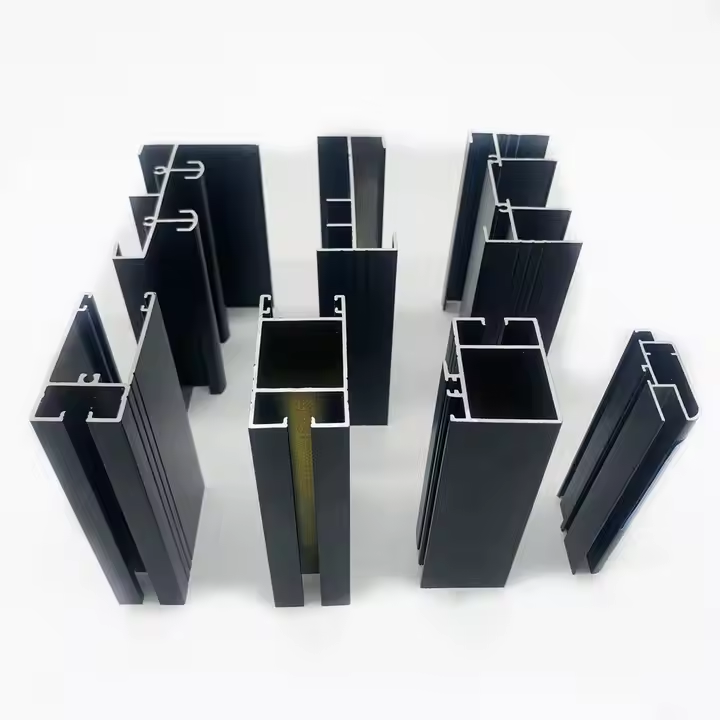
6063 Aluminum Alloy is the most cost-effective choice for the majority of applications. Known for its excellent extrudability and good surface finish, it is the go-to material for architectural components, window frames, door tracks, and furniture profiles. Its higher extrusion speed translates directly into lower production costs. At Aluleader, our shutter louver profiles and wardrobe door tracks are typically produced in 6063 alloy to balance performance and economy.
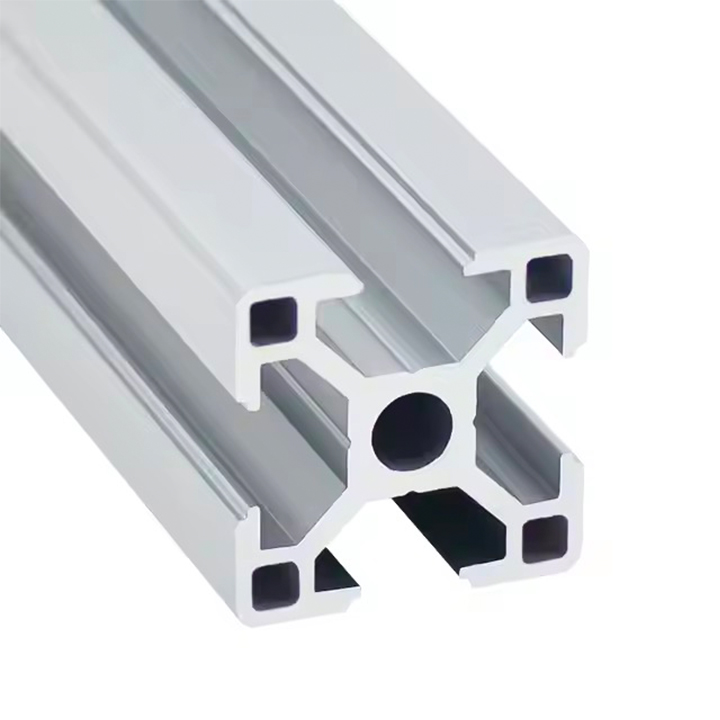
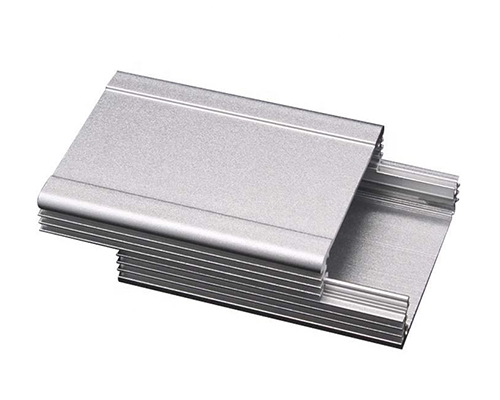
6061 Aluminum Alloy offers higher strength due to its increased magnesium and silicon content, making it suitable for structural applications such as load-bearing industrial profiles and automotive parts. However, it extrudes slower and places greater stress on tooling, increasing production costs by approximately 20-30% compared to 6063. Our aluminium structural profiles and extruded aluminum heat sinks often utilize 6061-T6 for heavy-duty industrial environments.
Cost-Saving Tip: Avoid over-engineering your specifications. Select the lowest-cost alloy that meets your functional requirements. For approximately 80% of applications, 6063 is the most economical and reliable choice.
2. Die and Tooling Costs: Your Customization Investment
Every custom profile requires a dedicated extrusion die. This is a one-time, upfront cost that varies significantly based on complexity, and it represents a critical decision point for any new project.
Die Complexity and Cost Ranges
Solid dies, used for simple shapes like angles, channels, and flat bars, require straightforward machining and typically cost between $500 and $1,500. These are the most economical option and are suitable for profiles with no enclosed cavities.
Semi-hollow dies, for profiles with partially enclosed voids, require more sophisticated design and machining, placing them in the $1,500 to $4,000 range.
Hollow or porthole dies are required for complex profiles with fully enclosed cavities, such as multi-chamber window frames, heat sinks, and tubular components. The intricate design and precision EDM machining needed for these dies make them significantly more expensive, often costing $4,000 to $12,000 or more.
Key Drivers of Die Cost
The circumscribing circle diameter (CCD) —the smallest circle that encloses the profile's cross-section—is a primary cost driver. Larger CCDs require larger presses and more complex tooling. Profile complexity—thin walls, deep pockets, and intricate hollow sections—all increase die costs. Complex shapes can cost 50-70% more to tool than simple rectangular profiles.
Die Cost Amortization
For large volume orders, many suppliers are willing to amortize or refund the die cost. This means the die fee is either rolled into the per-unit price and gradually recovered, or fully reimbursed after a certain production target (typically 10–15 tons) is reached. This arrangement makes custom tooling much more accessible for high-volume projects.
Design Strategy: Simplifying your profile geometry—avoiding sharp internal corners, deep and narrow slots, thick-to-thin transitions, and unnecessary asymmetry—can reduce die costs by 20-30% and increase extrusion speed by 40-50%. Early collaboration with your supplier's engineering team during the design phase is one of the most effective ways to control tooling costs.
3. Extrusion and Labor Costs: The Production Engine
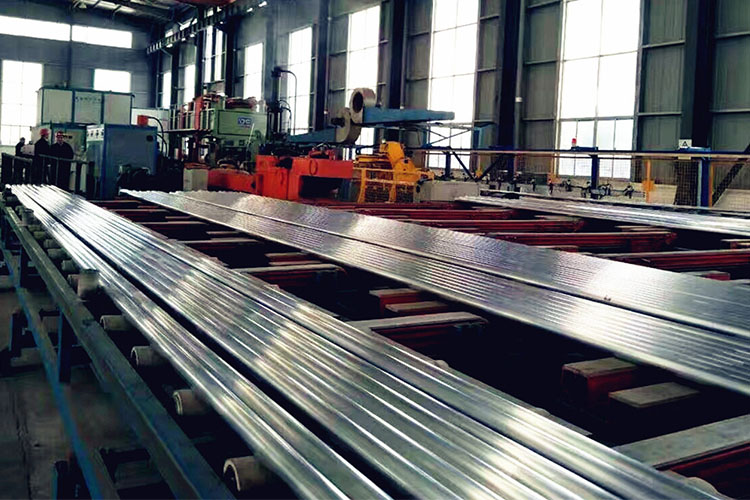
This component covers the actual operation of the extrusion press, including energy consumption, labor, equipment maintenance, and plant overhead.
Extrusion Speed and Its Cost Implications
The complexity of a profile, often measured by its CCD and wall thickness variations, directly determines how fast it can be extruded. A simple solid rectangle might be extruded at speeds of 180–200 feet per minute, while a complex hollow profile with thin walls may need to be processed at speeds below 50 feet per minute to maintain dimensional integrity and surface quality.
This speed reduction has a direct and significant impact on cost: slower extrusion means lower output per hour, higher energy consumption per kilogram, and increased labor allocation per unit of production. Complex profiles can cost 2-3 times more to extrude than simple ones on a per-kilogram basis.
Regional Labor Variations
Labor costs differ significantly across the globe. In regions like North America and Western Europe, labor rates are higher, and extrusion costs typically exceed $1.00 per kilogram for basic profiles. In contrast, manufacturers in Asia—particularly China, India, and Vietnam—can offer labor costs in the range of $0.30–$0.60 per kilogram.
As a China-based manufacturer, Aluleader leverages this competitive advantage while maintaining rigorous quality control, modern equipment, and a highly skilled technical workforce. We combine cost efficiency with precision and reliability.
Overhead and Operational Efficiency
Beyond direct labor, extrusion facilities incur substantial overhead: electricity for press operation and die heating, cooling systems, regular equipment maintenance, and workforce training. Operational efficiency—measured by factors like scrap reduction, die changeover speed, and press utilization rates—can meaningfully reduce the cost breakdown over time.
4. Surface Finishing and Secondary Operations
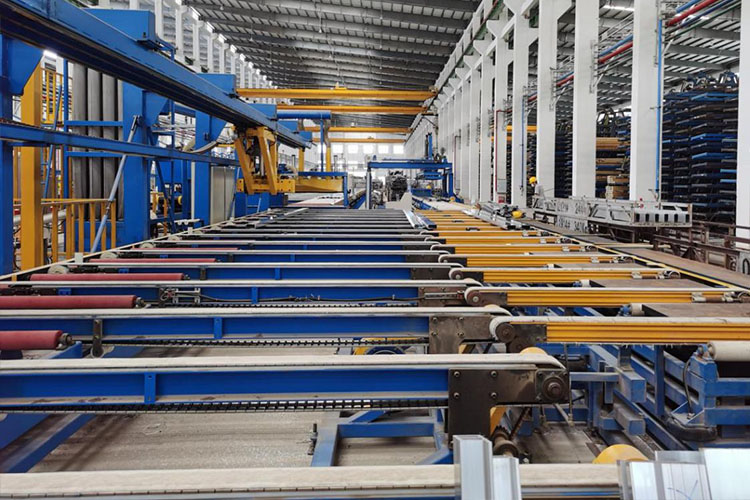
Rarely is an extruded profile used in its "as-extruded" state. Surface finishes add both aesthetic appeal and functional protection, while secondary operations prepare the profile for final assembly.
Surface Finishing Options and Their Costs
Anodizing is the most common and cost-effective surface treatment. It creates a durable, corrosion-resistant oxide layer with a sleek metallic appearance. Anodizing typically adds $800 to $1,400 per ton to the total cost, depending on thickness and color requirements. This finish is ideal for architectural applications and interior furniture components.
Powder coating offers a wider range of colors and textures with excellent weather resistance and durability. The powder is electrostatically applied and cured to form a thick protective layer. Powder coating generally costs $1,300 to $1,800 per ton, making it slightly more expensive than anodizing but offering greater design flexibility.
PVDF (Polyvinylidene Fluoride) coating is a premium finish known for exceptional weatherability, UV resistance, and color retention. It is typically specified for high-end architectural projects such as curtain walls and building facades. PVDF coating costs $2,700 or more per ton, reflecting its advanced formulation and application requirements.
Secondary Fabrication Costs
After extrusion and finishing, profiles often require additional machining to meet final assembly specifications.
Cutting to length is a basic operation costing $0.03 to $0.10 per cut, depending on profile size and precision requirements.
Drilling and punching are typically priced at $200 to $300 per ton, with complexity and hole count affecting the final cost.
CNC machining, including milling, turning, and complex contouring, is more expensive at $900 to $2,100 per ton due to the precision equipment and skilled labor involved.
Bending and forming costs vary widely based on profile cross-section, bend radius, and required accuracy.
Cost-Saving Tip: Consolidate multiple functions into a single extrusion design to minimize post-extrusion operations. For example, integrating mounting channels, snap-fit features, or decorative grooves directly into the profile can eliminate subsequent machining steps. Aluleader's engineering team offers design for manufacturability (DFM) reviews to help you identify and implement these efficiencies.
5. Packaging and Logistics: The Final Mile
Getting your product delivered safely and on time is the final cost component—one that is often underestimated in initial project budgeting.
Packaging Methods and Costs
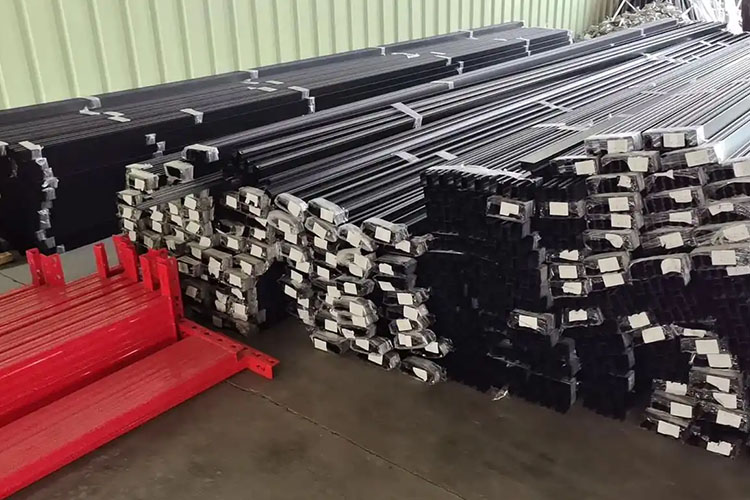
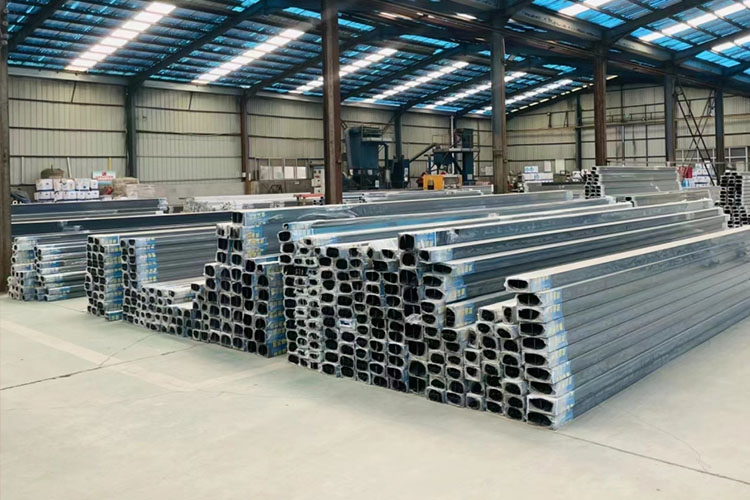
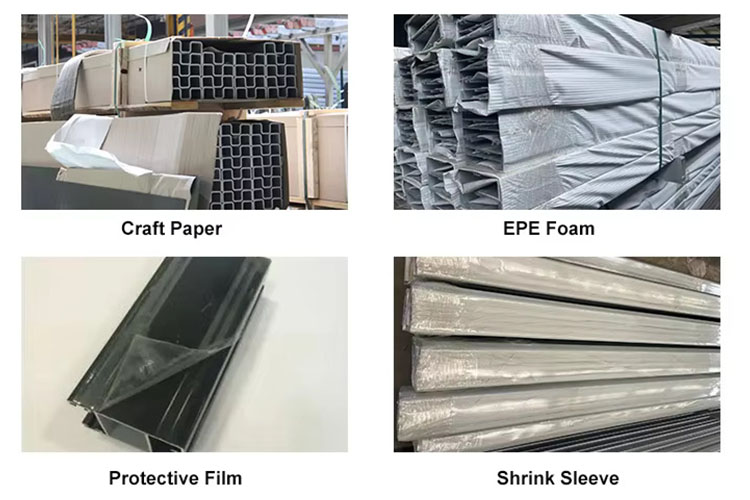
Standard packaging—such as kraft paper interleaving between layers of profiles, followed by plastic wrapping and steel strapping—is the most cost-effective method. It provides adequate protection for most applications.
However, projects with stringent surface quality requirements may need custom packaging solutions, such as individual profile wrapping, foam interleaving, or wooden crating for export. These options add $0.10 to $0.50 per kilogram to the total cost.
Domestic vs. International Sourcing
Sourcing from a local or regional supplier offers distinct advantages: shorter lead times, lower shipping costs, easier communication, and simpler quality control. While the unit price may be slightly higher than overseas alternatives, the total landed cost (product price + freight + insurance + duties + handling) often favors regional sourcing.
Sourcing internationally—particularly from Asia—can significantly reduce base production costs. However, buyers must factor in ocean freight (which fluctuates with global shipping markets), customs clearance, import duties, and longer transit times. Air freight is only recommended for urgent, time-sensitive orders due to its premium cost.
Always calculate the total landed cost when comparing quotes from different suppliers. A seemingly cheaper factory-gate price can quickly lose its advantage once logistics and compliance costs are added.
Total Cost Formula
A simplified formula to estimate your total project cost is:
Total Cost = Die Cost + (Material Cost per kg × Total Weight) + (Extrusion Cost per kg × Total Weight) + Finishing Cost + Secondary Operations Cost + Packaging & Logistics Cost
Each component interacts with the others. For example, complex profiles increase tooling and machining costs, while bulk ordering can reduce both finishing and logistics expenses per unit. Always request an itemized quote from your supplier to analyze cost drivers clearly.
Cost-Saving Strategies Summary
Simplify Your Design: Reducing profile complexity lowers die costs, increases extrusion speed, and minimizes scrap rates. This is the single most powerful lever for cost reduction.
Choose 6063 Alloy Unless Absolutely Necessary: For the vast majority of architectural and furniture applications, 6063 offers the best balance of performance and economy.
Consolidate Orders: Larger production runs amortize die and setup costs, reducing the per-unit price. Consider consolidating multiple small orders into fewer, larger batches.
Minimize Secondary Operations: Integrate functional features into the extrusion design to reduce or eliminate downstream machining and assembly.
Partner with a Full-Service Supplier: A manufacturer like Aluleader that can manage the entire process—from die design and extrusion to finishing and fabrication—simplifies your supply chain, reduces coordination overhead, and minimizes potential points of failure.
Related Posts
To deepen your understanding of aluminum extrusion and make more informed sourcing decisions, we recommend exploring these related articles from our blog:
How to Choose an Aluminum Extrusion Supplier — Key criteria for selecting a reliable manufacturing partner.
Aluminum Extrusion Process: 11 Key Steps Explained — A comprehensive walkthrough from billet heating to final aging.
Aluminum Alloy 6063 vs 6061: Which One to Choose — Detailed comparison to help you select the right material for your project.
Surface Finishing Options for Aluminum Extrusions — An overview of anodizing, powder coating, and other finishes.
Applications of Aluminum Extrusion in Different Industries — Explore how extrusion is used across construction, automotive, electronics, and furniture.
Frequently Asked Questions (FAQ)
Q: How much does a custom aluminum extrusion die typically cost?
A: Die costs range from approximately $500 for simple solid dies** to over **$12,000 for complex hollow dies. The exact price depends on profile complexity, circumscribing circle diameter, and required precision.
Q: Can I get the die cost refunded or reduced?
A: Yes. Many suppliers, including Aluleader, offer die cost amortization or full refunds for orders exceeding a certain volume—typically 10 to 15 tons. Always clarify die ownership and storage terms with your supplier.
Q: Is 6063 aluminum always cheaper than 6061?
A: Yes, 6063 is generally more economical. It extrudes faster, requires less energy, and uses less expensive alloying elements, making it the preferred choice for most architectural and furniture applications.
Q: How much does surface finishing add to the total cost of aluminum extrusions?
A: Surface finishing typically adds 10% to 30% to the total cost. Anodizing is the most economical option, while premium PVDF coatings are significantly more expensive.
Q: Are imported aluminum extrusions always more cost-effective?
A: Not necessarily. While the factory-gate price may be lower, buyers must calculate the total landed cost including freight, insurance, customs duties, and potential delays. Regional sourcing often offers better overall value when logistics and lead time are factored in.
Q: What are common hidden costs in aluminum extrusion sourcing?
A: Hidden costs may include packaging upgrades, rework due to tolerance issues, unexpected die revisions, documentation for export, and communication gaps about finishing or assembly requirements. Always request a detailed, itemized quote and clarify all assumptions upfront.
About Aluleader
With over 15 years of experience in the aluminum extrusion industry, Aluleader provides high-quality architectural profiles, industrial profiles, and furniture/decorative profiles. We offer integrated services from die design and extrusion to CNC machining and surface finishing. Our team is committed to helping you achieve the optimal balance of performance, quality, and cost.
For project-specific questions or a detailed, itemized quote, our team is available to provide expert assistance based on your unique requirements.