Aluminum is inherently corrosion-resistant due to the natural oxide film that develops when it is exposed to oxygen. For many basic applications, this mill finish provides sufficient protection. However, when your product requires specific aesthetic characteristics, enhanced durability in harsh environments, or specialized functional properties, surface finishing becomes essential.
The type of finish selected depends on several factors: the product's intended environment (indoor or outdoor), aesthetic requirements, maintenance considerations, and budget constraints. Anodizing, powder coating, and mechanical finishes each offer distinct advantages that suit different applications.
Anodizing: The Electrochemical Protection
Anodizing is an electrochemical conversion process that artificially thickens the naturally occurring oxide layer on aluminum surfaces. This process enhances corrosion resistance, surface hardness, and provides a durable, decorative finish that preserves the metallic luster of aluminum.
How Anodizing Works
During anodizing, the aluminum extrusion is immersed in an electrolytic bath and subjected to an electrical current. This controlled oxidation creates a porous, thicker oxide layer that is integral to the aluminum substrate—it does not peel or flake. The process is typically completed with a "hot-seal" application that prevents fading or cracking, ensuring long-term durability.
Key Benefits of Anodizing
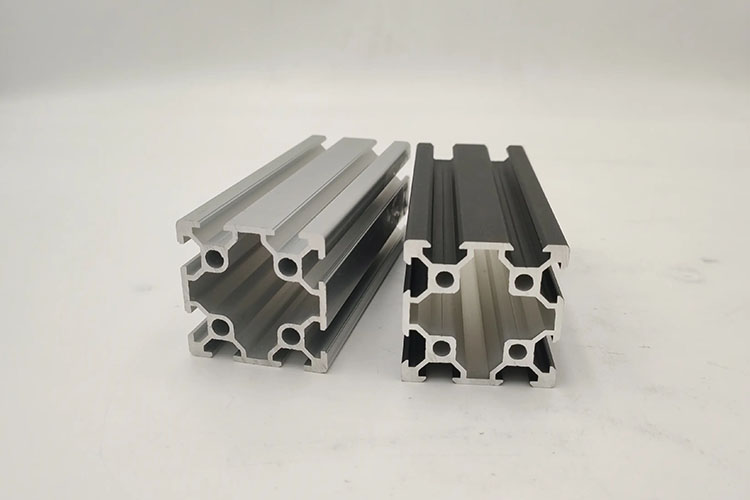
Anodizing offers superior corrosion resistance, particularly effective in coastal and high-salt environments. The resulting surface is highly durable, resistant to UV degradation, abrasion, and heat. Available in clear, light bronze, black, and other shades with thicknesses ranging from AA10 to AA25 microns, anodized finishes provide optimal surface coverage and do not outgas or stain glass in high-temperature applications. The finish also exhibits subtle changes in appearance under different lighting and angles, adding aesthetic versatility.
Important Considerations
Several factors should be considered when choosing anodizing. Finish colors can vary between different alloy compositions, so it's important to test samples. Extrusion die lines may be visible on wider surfaces—these can be minimized through media blasting prior to anodizing. While durable and scratch-resistant, anodized surfaces are difficult to repair if damaged, which is an important consideration for high-traffic applications.
Typical Applications
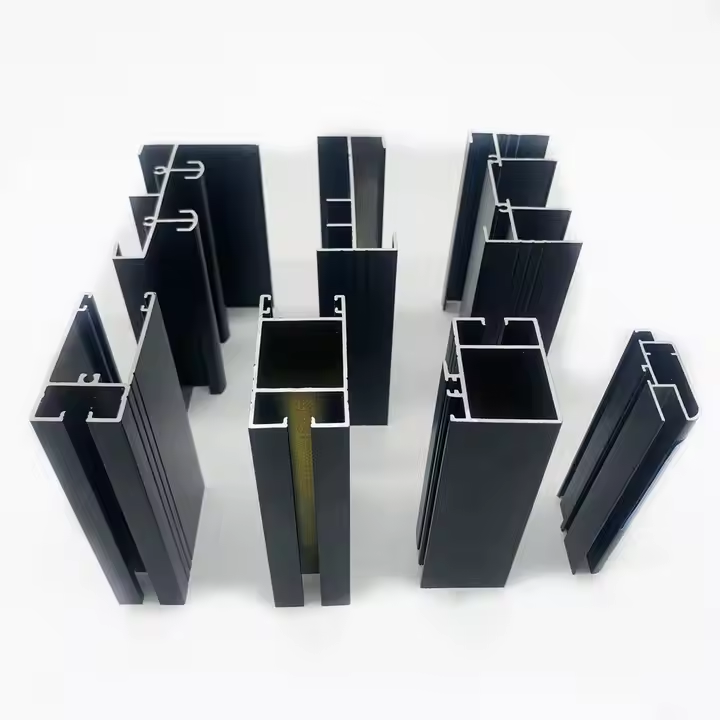
Anodizing is ideal for architectural components, window frames, furniture profiles, and extruded aluminum heat sinks where both aesthetics and thermal management are important. Our casement window profiles and architectural profiles frequently utilize anodized finishes for their superior weather resistance and elegant appearance.
Powder Coating: Versatile Color and Durability
Powder coating is a dry painting process that offers exceptional versatility in color, texture, and durability. It has become one of the most popular finishing methods for aluminum extrusions.
The Powder Coating Process
The process begins with a chemical pre-treatment, typically a chromate conversion, to improve corrosion resistance of the base aluminum. Fine paint particles are then electrostatically charged and sprayed onto the surface—adhering to the aluminum in a manner similar to iron filings attracted to a magnet. The coated profile is then cured in an oven, where the powder melts and flows into a uniform, durable film.
Key Benefits of Powder Coating
Powder coating offers an unlimited selection of colors, gloss levels, and metallic shades, providing extensive design flexibility. It effectively conceals extrusion die lines, making it an excellent choice for profiles with visible surfaces. Small scratches can be touched up more easily than anodized finishes, simplifying maintenance. The process is one of the most cost-effective finishing methods, offering efficient application and high material utilization. Standard and high-durability grades are available for outdoor applications, ensuring long-term performance.
Performance Grades
Different powder coating formulations offer varying levels of durability. Standard polyester powder provides a service life of approximately 10 years, while extra high durability (XHD) powder can extend this to 15-20 years. Premium PVDF (fluoropolymer) coatings offer the highest weather resistance, with service lives exceeding 20 years and excellent chalk resistance. Aluleader offers powder coating services in a comprehensive range of colors and finishes, including wood grain effect finishes for architectural applications.
Important Considerations
Typical dry film build ranges from 60 to 80 microns—substantially thicker than anodizing. Chromate or other conversion coating is necessary for optimal performance. Premium PVDF coatings are significantly more expensive than standard powder, so cost considerations should factor into the selection process.
Typical Applications
Powder coating is widely used for architectural window and door profiles, furniture components, and any application requiring a specific color or texture. The wood grain transfer process, a variant of powder coating, replicates the appearance of timber grain on flat-faced aluminum profiles, offering aesthetic warmth for architectural projects.
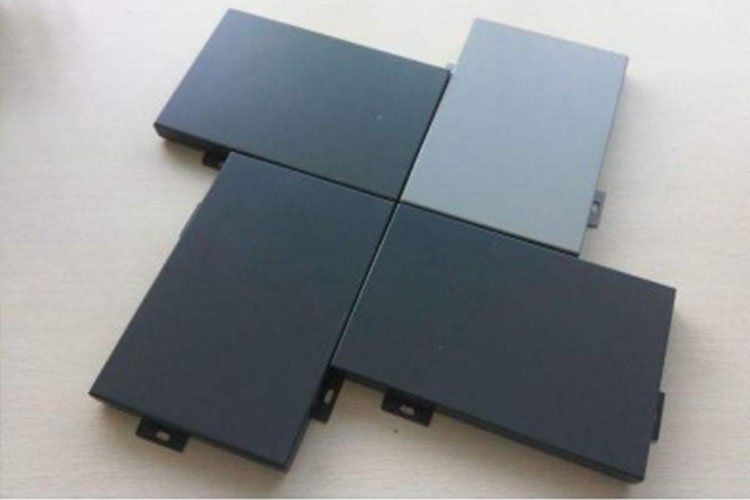
Mechanical Finishing: Surface Texture and Preparation
Mechanical finishing processes create various surface textures—from matte to mirror-like—and are often used either as a final finish or as preparation for anodizing or powder coating. At Aluleader, we offer a full range of mechanical finishing services to suit your specific requirements.
Common Mechanical Finishing Methods
Brushing creates a cosmetically appealing, satin-like surface resembling stainless steel. It effectively blends extrusion die lines and covers minor imperfections, making it a cost-effective secondary operation that reduces reject rates. This finish is particularly popular for furniture and architectural components where a contemporary, matte appearance is desired.
Buffing produces a highly reflective, mirror-like finish that can replicate the appearance of polished chrome. This method is often chosen for decorative applications where a premium appearance is desired, such as high-end furniture, lighting fixtures, and automotive trim.
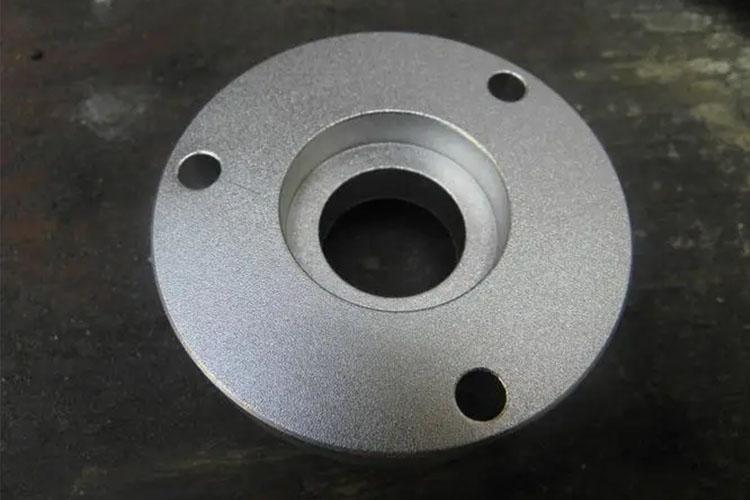
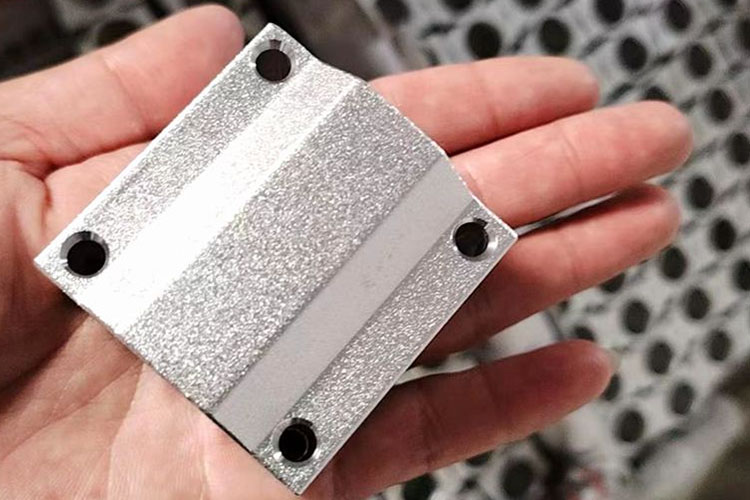
Bead Blasting employs abrasive media to create a uniform, matte surface with a granular appearance. This process effectively hides surface imperfections and can be applied before anodizing to produce a consistent, blemish-free finish. It is commonly used for industrial and architectural applications where a uniform matte texture is preferred.
Tumbling is a versatile process that simultaneously deburrs, cleans, and polishes parts. It eliminates flow lines from extrusion and produces a galvanized-like appearance, often at a relatively low cost. This method is efficient for processing large quantities of smaller profiles or components.
Polishing achieves a smooth, reflective surface ideal for decorative applications. Our industrial structural profiles and architectural profiles can be polished to enhance visual appeal, creating a premium look for visible architectural elements and high-end consumer products.
Bright Dipping is a specialized chemical/mechanical treatment that smooths microscopic surface irregularities, resulting in a highly reflective, lustrous finish. Alloys like 6463—a variant of 6063—are particularly well-suited for bright dipping, making this an excellent option for decorative automotive and architectural trim components.
When to Choose Mechanical Finishing
Mechanical finishing is an excellent choice when you need to blend or eliminate extrusion die lines, prepare a surface for subsequent anodizing or powder coating, achieve a specific texture or appearance, or improve surface quality without adding a coating layer. It provides a cost-effective way to enhance visual appeal while maintaining dimensional accuracy.
Choosing the Right Finish for Your Project
The optimal surface finish depends on your project's specific requirements, and understanding the trade-offs between different options is essential for making an informed decision.
For architectural applications such as window and door systems, both anodizing and powder coating offer excellent performance. Powder coating provides greater color flexibility, while anodizing delivers a premium metallic appearance. Consider PVDF coating for high-end curtain walls and building facades requiring exceptional weather resistance. Our architectural profiles are available with all these finishing options to meet diverse project specifications.
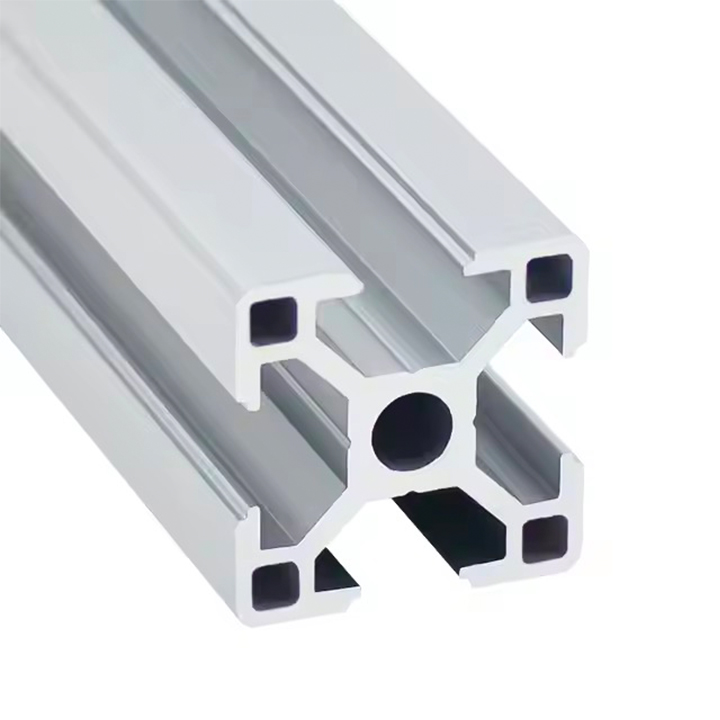
For industrial structural profiles, anodized or powder-coated finishes are recommended for corrosion resistance and durability in demanding environments. These finishes protect against environmental degradation while maintaining the structural integrity of the profile. Our industrial profiles can be finished to withstand harsh industrial conditions.
For decorative and interior applications, mechanical finishes like polishing or brushing can provide an attractive appearance at lower cost. Powder coating offers unlimited color options for furniture and interior components, allowing designers to match specific color schemes. Our furniture profiles benefit from these versatile finishing options.
For outdoor applications in coastal or industrial environments, anodizing provides the highest level of corrosion protection, while premium powder coatings offer excellent color stability and durability. Consider the specific environmental exposure when making your selection, and consult with finishing experts to ensure optimal performance.
Cost-Saving Strategies for Surface Finishing
Simplify Surface Requirements: If your profile will be hidden or not exposed to harsh environments, a mill finish or simple mechanical finish may suffice. Avoid over-specifying finishes for non-critical surfaces.
Consolidate Orders: Larger batch sizes reduce per-unit finishing costs. Consider consolidating multiple small orders into fewer, larger batches to achieve economies of scale.
Choose the Right Process: For most architectural and furniture applications, standard powder coating or anodizing offers the best balance of cost and performance. Reserve premium finishes like PVDF for projects where they are truly necessary, as their higher cost may not be justified for all applications.
Partner with a Full-Service Supplier: Aluleader's integrated capabilities—from extrusion through finishing—streamline your supply chain and ensure consistent quality. Our extruded aluminum heat sink and casement window profiles benefit from our comprehensive finishing expertise, providing you with a single source for quality and reliability.
Related Posts
To deepen your understanding of aluminum extrusion and make more informed sourcing decisions, we recommend exploring these related articles from our blog:
Frequently Asked Questions (FAQ)
Q: What is the difference between anodizing and powder coating?
A: Anodizing is an electrochemical process that thickens the natural oxide layer, producing a durable, metallic finish that is integral to the aluminum substrate. Powder coating is an electrostatic paint application that offers a much wider range of colors and textures but is applied as a separate layer on the surface. Anodizing provides a thinner, harder surface, while powder coating offers a thicker, more flexible coating.
Q: How much does surface finishing add to the cost of aluminum extrusions?
A: Surface finishing typically adds 10% to 30% to the total cost. Anodizing is generally the most economical option for small volumes, while powder coating becomes very cost-effective for larger batches due to its high application efficiency. Mechanical finishes like brushing and polishing are generally lower in cost but offer less protection.
Q: Which finish is more durable—anodizing or powder coating?
A: Both offer excellent durability but in different ways. Anodizing is harder and more scratch-resistant, with excellent UV and corrosion resistance. Powder coating offers good impact resistance and is easily repairable, with standard grades providing 10 years of service life and premium grades exceeding 20 years. The choice depends on the specific demands of your application.
Q: Can anodized surfaces be repaired if scratched?
A: Repairing anodized surfaces is difficult. Unlike powder coating, which can be touched up, anodized aluminum requires significant rework if damaged. This is an important consideration for high-traffic or high-abuse applications. If repairability is a priority, powder coating may be a more suitable option.
Q: What is the most cost-effective finishing option for aluminum extrusions?
A: For standard applications, powder coating is generally the most cost-effective option due to its efficient application process, excellent coverage, and wide range of colors. For projects requiring a metallic finish, anodizing provides good value. Mechanical finishes like brushing can be economical for interior applications where corrosion resistance is not the primary concern.
Q: How do I choose the right finish for outdoor applications?
A: For outdoor applications, consider the specific environmental conditions. Anodizing provides excellent corrosion resistance in coastal environments. For applications requiring specific colors, powder coating with high-durability or PVDF grades offers excellent weather resistance. Always consult with your finishing supplier about the specific performance characteristics required for your project environment.
About Aluleader
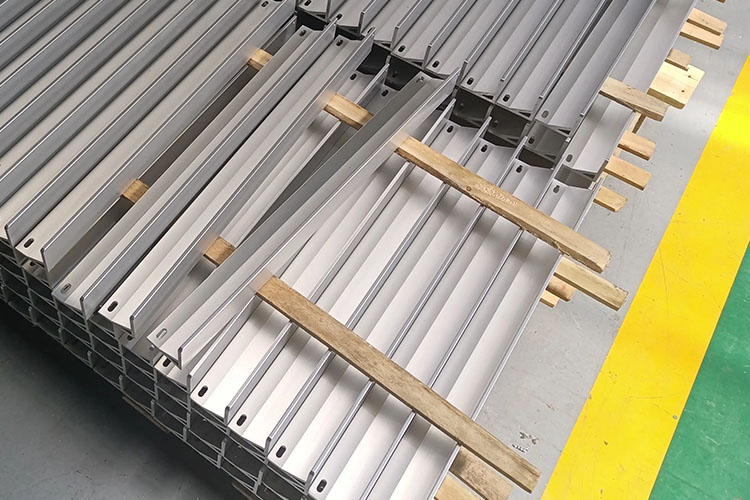
With over 10 years of experience in the aluminum extrusion industry, Aluleader provides high-quality architectural profiles, industrial profiles, and furniture/decorative profiles. Our integrated finishing services include anodizing, powder coating, electrophoresis, wood grain transfer, and mechanical finishing.
Our engineering team is committed to helping you select the optimal surface finish for your specific application requirements—balancing aesthetics, durability, and cost. For project-specific questions or detailed inquiries about our finishing capabilities, our experts are available to provide technical guidance.