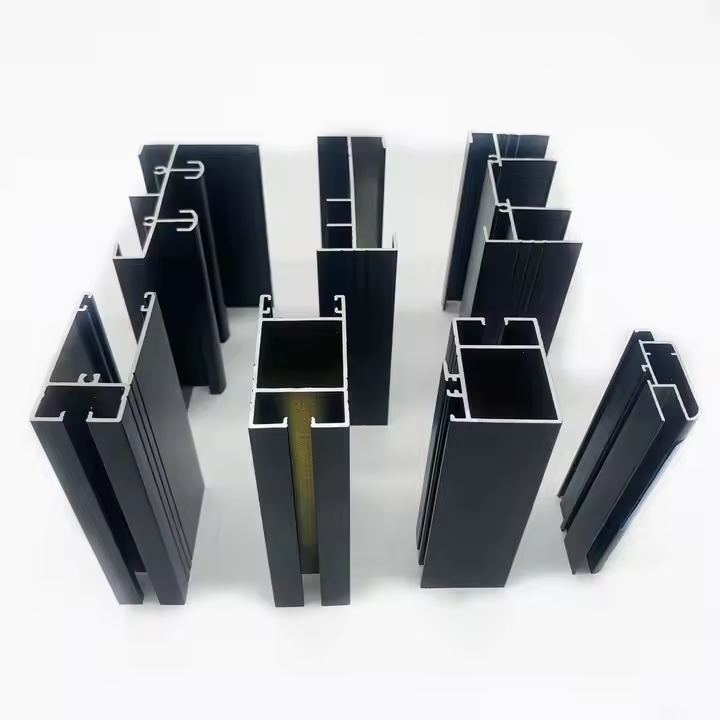
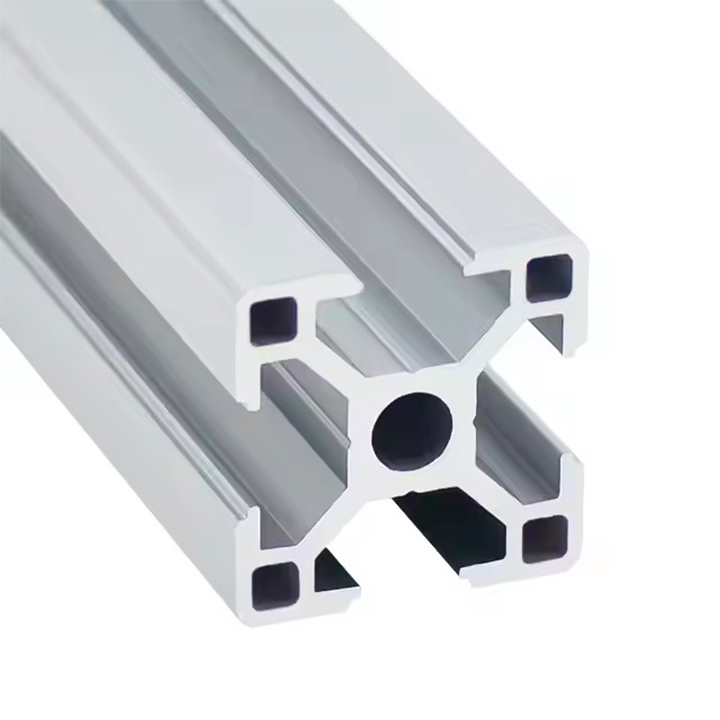
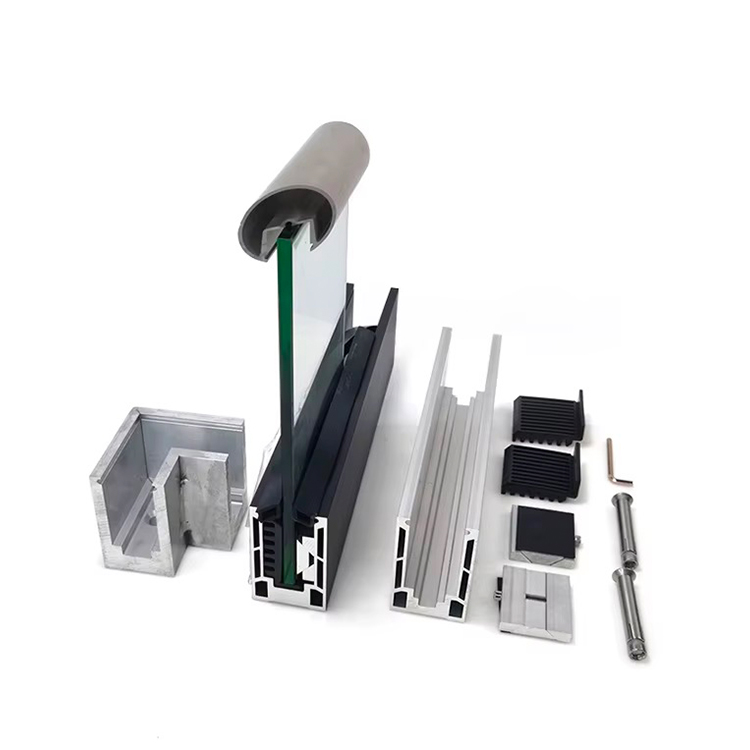
Aluminum's combination of light weight, strength, and corrosion resistance makes it one of the most widely used materials in modern manufacturing. However, welding aluminum is fundamentally different from welding steel. Its high thermal conductivity, tenacious oxide layer, and susceptibility to porosity and cracking demand specialized techniques and careful process control.
This guide explores the welding characteristics of different aluminum alloy series—with particular focus on the commonly used 6xxx and high-strength 7xxx series—the most common challenges encountered, and best practices for achieving reliable, high-quality welds.
Understanding Aluminum Alloy Classification and Weldability
Aluminum alloys are divided into series based on their primary alloying elements. Understanding which series you are welding is the first step to success.
1xxx series (commercially pure aluminum) and 3xxx series (aluminum-manganese) are readily weldable and commonly used in applications where high strength is not required.
4xxx series (aluminum-silicon) have extremely low crack sensitivity and are often used as filler metals due to their excellent fluidity.
5xxx series (aluminum-magnesium) have good weldability, though alloys with less than 2% magnesium can be crack-prone; higher magnesium content improves weldability but may reduce ductility and corrosion resistance.
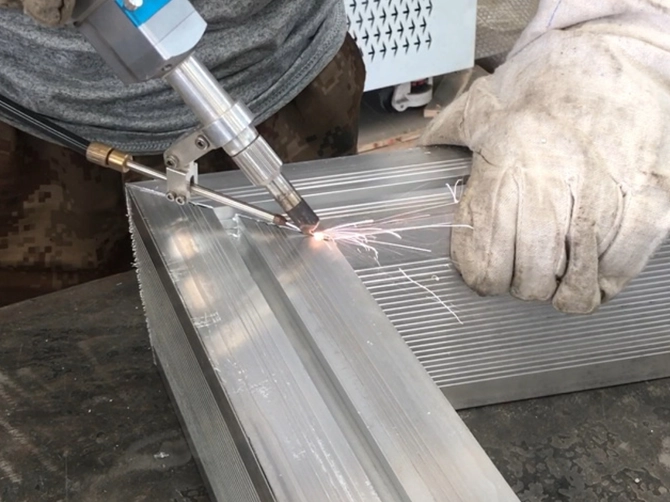
6xxx series (aluminum-magnesium-silicon)—including 6061, 6063, and 6082—are extremely common in structural profiles, frames, and vehicle bodies. They are generally regarded as weldable.
7xxx series (aluminum-zinc-magnesium) cover the high-strength end of the spectrum. Many classic aerospace grades like 7075 are difficult or unwise to weld by conventional fusion processes.
Welding 6xxx Series Alloys: The Structural Workhorse
6xxx alloys achieve their strength through precipitation hardening. In a T6 temper condition, the heat-affected zone (HAZ) can drop significantly in strength due to over-aging or local re-solutionizing. This softened region almost always governs the allowable joint stress.
Without full post-weld heat treatment, the HAZ remains the weak link, typically pulling down towards T4 or O-type strength. In smaller structures, post-weld heat treatment can restore much of the original temper, but in large fabrications this is often impractical.
Practical design implication: The design stress for a welded 6xxx structure should account for the HAZ softening. The T6 rating does not apply in the HAZ.
Filler metal selection: For 6xxx base alloys, 4xxx or 5xxx fillers are typical. ER4043 (Al-5Si) offers excellent fluidity and lower crack sensitivity, with slightly lower weld metal strength. ER5356 (Al-5Mg) can provide higher as-welded strength and better color match for anodizing, but may have different cracking and corrosion behavior. The choice reflects whether crack resistance and fluidity, or strength and appearance, matter more.
Welding 7xxx Series Alloys: The High-Strength Challenge
7xxx alloys present the greatest welding difficulty among common aluminum series. Many of the alloys in this family, particularly 7075 and 2024, are crack-sensitive to arc welding and lose both strength and corrosion resistance in the welded region.
The only arc-weldable alloys in the 7xxx family are 7003, 7004, 7005, and 7039. Most other 7xxx alloys are prone to solidification cracking.
The choice for designers: In many cases, joining 7xxx components through mechanical fastening or solid-state processes such as friction stir welding (FSW) is preferred over conventional MIG/TIG welding.
Common Welding Challenges
Porosity
Porosity is the most common defect in aluminum welding. It occurs because liquid aluminum can dissolve significant amounts of hydrogen, whereas solid aluminum has nearly negligible hydrogen solubility. As the weld pool solidifies, dissolved hydrogen is rejected from the solid lattice and accumulates in the remaining liquid. Once the solubility limit is exceeded, gas bubbles nucleate. Rapid solidification traps these bubbles within the advancing solidification front.
Primary hydrogen sources include: moisture, hydrocarbons, oxide hydration on the wire or base metal surface, and surface contaminants such as grease or machining coolants.
Mitigation: Cleanliness is paramount. Remove all hydrocarbons with a suitable degreaser (acetone, MEK, or toluene) before welding. Remove heavy oxides mechanically using a stainless steel wire brush dedicated to aluminum. Store filler wire in sealed packaging and use within days of opening. Use shielding gas with adequate flow and protect the weld pool until solidification.
Solidification (Hot) Cracking
Solidification cracking occurs during the final stages of solidification when the weld metal has insufficient liquid to "heal" contraction stresses. Alloys with a wide freezing range and high thermal contraction are most susceptible. 2000 series, 6000 series, and 7000 series alloys have the greatest hot cracking tendency.
Mitigation: The primary strategy is selecting crack-resistant filler metal—typically ER4043 (Al-Si) for 6xxx alloys. Controlling joint design and using proper welding procedures also help.
Oxide Layer and Absorption
Aluminum oxide (Al₂O₃) melts at approximately 2072°C, while the base aluminum melts at around 660°C. If the oxide is not removed or disrupted, molten aluminum becomes trapped beneath an unmelted oxide skin, causing lack-of-fusion defects.
AC polarity in GTAW provides cleaning action that breaks up this oxide during welding.
Welding Processes: Selecting the Right Method
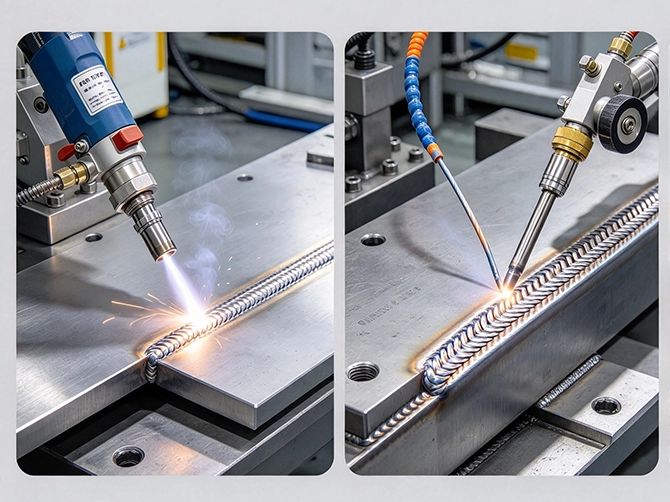
GTAW (TIG) Welding
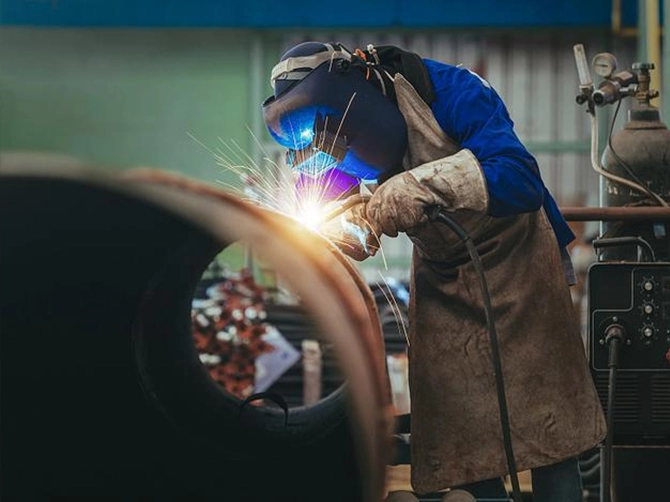
GTAW with alternating current (AC) is the reference process for high-quality aluminum welding. The electrode-positive half-cycle provides oxide cleaning; the electrode-negative half-cycle provides penetration.
Key parameters: Use pure argon or argon/helium mixtures. Pure tungsten (green band) or zirconiated tungsten (white band) for AC. A rule of thumb is approximately 1 amp per 0.001 inch of thickness. On modern inverter machines, AC balance (65-80% electrode-negative) and AC frequency adjustments allow fine control over cleaning action and arc focus.
GMAW (MIG) Welding
GMAW with spray transfer is the production process for aluminum fabrication. Push angle (10-15° forehand) is essential—dragging the gun traps oxide and gas in the weld pool. Use U-groove drive rolls (not V-groove, which deforms the wire) and a Teflon liner to prevent wire shaving.
Pulsed MIG has become the preferred mode for aluminum, offering spray-transfer quality with reduced heat input and better control on thinner sections where conventional spray would burn through.
Friction Stir Welding (FSW)
FSW is a solid-state process that joins aluminum without melting it. A rotating tool plasticizes the material and mechanically stirs the two sides together.
Advantages over fusion welding: no porosity, no solidification cracking, no filler metal required, and retains more base metal strength. 6061-T6 FSW joints retain 80-90% of base metal ultimate tensile strength versus 60-70% for GMAW. FSW can also join 2xxx and 7xxx alloys that are problematic for arc welding.
Practical Best Practices
Know your alloy: Never assume you are welding a general aluminum alloy. Confirm the specific series and choose the filler metal accordingly.
Clean thoroughly: Aluminum welding requires two-stage cleaning—degreasing to remove hydrocarbons, then oxide removal with a dedicated stainless steel brush or grinding disk for thick oxide layers.
Use proper equipment: For GMAW, use Teflon liners, U-groove drive rolls, and keep the conduit under 3 meters. Never use CO₂ or Ar-CO₂ mixtures—CO₂ reacts with aluminum.
Manage heat: Aluminum's high thermal conductivity means parameter reduction toward the end of the weld compensates for increased temperature. Hot start and crater fill functions on modern machines help manage weld starts and stops.
Avoid unnecessary preheat: Excessive preheat can degrade mechanical properties. Preheat above the aging temperature (325-400°F for most heat-treatable alloys) will ruin the alloy's properties. Only preheat to about 200°F to drive off moisture in humid conditions.
Frequently Asked Questions (FAQ)
Q: Which aluminum alloys should not be arc welded?
A: Most alloys in the 2xxx and 7xxx series cannot be arc welded. Specifically, 2024 and 7075 are highly crack-sensitive. The only arc-weldable 2xxx alloys are 2219 and 2519; the only arc-weldable 7xxx alloys are 7003, 7004, 7005, and 7039.
Q: Why do 6xxx alloys soften in the HAZ?
A: Welding disturbs the precipitation-hardened structure. The heat-affected zone over-ages or re-solutionizes, then air-cools into a much softer condition. Without post-weld heat treatment, this softened region governs joint stress.
Q: What is the most common filler metal for 6061 aluminum?
A: ER4043 (Al-5Si) is most common due to excellent fluidity and lower crack sensitivity. ER5356 (Al-5Mg) provides higher as-welded strength and better anodizing color match but may have different cracking behavior.
Q: Why is porosity such a problem in aluminum welding?
A: Liquid aluminum dissolves large amounts of hydrogen. During solidification, hydrogen is rejected from the solid and trapped as gas bubbles. Hydrogen sources include moisture, hydrocarbons, and oxide hydration on the wire or base metal surface.
Q: What is friction stir welding?
A: FSW is a solid-state process that joins aluminum without melting it. A rotating tool plasticizes the material and mechanically stirs the joint together. It produces no porosity or solidification cracking and retains more base metal strength than fusion welding.
Related Posts
CNC Machining Aluminum Extrusions: Ultimate Guide — Understand machining considerations that may follow welding operations.
Aluminum Profile Connection Technologies — Compare welding with mechanical fastening and adhesive bonding methods.
Aluminum Extrusion Tolerance Design Guide — Learn about alloy selection and dimensional control for weldable profiles.
Corrosion Protection for Aluminum Extrusions — Understand surface treatments that protect welded aluminum structures.
Aluminum Extrusion Process: 11 Key Steps Explained — Understand the manufacturing process behind weldable aluminum profiles.
About Aluleader
With over 15 years of experience in the aluminum extrusion industry, Aluleader provides high-quality architectural profiles, industrial profiles, and furniture/decorative profiles. Our integrated capabilities—from die design and extrusion to CNC machining, surface finishing, and fabrication—ensure consistent quality across every project.
Our engineering team collaborates with clients to select the optimal alloy and joining method for each application, balancing strength, weldability, and cost. For project-specific questions or detailed inquiries about aluminum welding and fabrication, our experts are available to provide technical guidance.