Welcome to Aluleader Metal
Corrosion Protection for Aluminum Extrusions | Aluleader
Aluminum is inherently corrosion-resistant due to the natural oxide film that forms on its surface when exposed to air. However, in aggressive environments—coastal areas with salt spray, industrial zones with chemical pollutants, or applications involving prolonged moisture exposure—this natural protection is insufficient. For extruded aluminum profiles used in architectural profiles, industrial profiles, and furniture/decorative profiles, selecting the right corrosion protection strategy is essential for ensuring long-term performance and aesthetic durability.
This guide provides a comprehensive overview of corrosion protection solutions for extruded aluminum, examining the mechanisms and suitability of different approaches.
Understanding Aluminum Corrosion
The corrosion of aluminum refers to the chemical or electrochemical deterioration of the material upon exposure to environmental elements such as oxygen, moisture, and salts. This process entails the degradation of the protective aluminum oxide (Al₂O₃) layer on the aluminum surface, resulting in damage including pitting, crevice corrosion, and stress corrosion cracking (SCC).
The corrosion behavior of aluminum alloys is significantly influenced by secondary phase particles—intermetallic compounds formed during alloying. Different aluminum alloys exhibit markedly different corrosion resistance. Research comparing five common aluminum alloys (AA1050, AA2024, AA5052, AA6061, and AA7075) under simulated marine environments found that corrosion resistance ranked as follows: AA5052 > AA1050 > AA6061 > AA7075 > AA2024. This ranking reflects how alloying elements and their resulting intermetallic particles affect localized corrosion susceptibility.
Alloy Selection: The First Line of Defense
Choosing the right aluminum alloy is the most fundamental corrosion protection decision. Different alloy series offer different levels of inherent corrosion resistance, and the choice should be guided by the intended service environment.
5xxx Series Alloys (Aluminum-Magnesium)
5xxx series alloys, such as AA5052, are principally alloyed with magnesium and are noted for their excellent weldability and corrosion inhibition properties. These characteristics make them suitable for maritime applications, including ship hulls, chemical tanks, and pressure vessels. Research confirms that AA5052 demonstrates superior corrosion resistance compared to many other alloy series in marine environments.
However, these alloys encounter difficulties such as stress corrosion cracking (SCC), particularly in chloride-rich conditions, and restricted strength augmentation due to their reliance on work-hardening instead of heat treatment.
6xxx Series Alloys (Aluminum-Magnesium-Silicon)
6xxx series alloys, predominantly alloyed with magnesium and silicon, produce magnesium silicide (Mg₂Si), providing a combination of strength, corrosion resistance, and heat treatability. These attributes render them adaptable for application in automotive, structural, and aerospace components.
AA6061 and AA6063 are the most commonly extruded 6xxx alloys. Research shows that AA6061 corrosion resistance falls between AA5052 and AA7075, making it suitable for many architectural and industrial applications. However, 6xxx alloys are sensitive to pitting corrosion in hostile environments and exhibit inconsistencies in anodized surface finishes attributable to silicon content.
High-Strength Alloys (2xxx, 7xxx Series)
High-strength aluminum alloys such as AA2024 and AA7075 contain strengthening secondary phase particles that often serve as anodic dissolution centers in corrosive environments, exacerbating localized corrosion. These alloys are typically reserved for aerospace and high-performance structural applications where their mechanical properties justify the need for more robust corrosion protection.
Implications for Recycled Aluminum
For post-consumer scrap (PCS)-based aluminum alloys, research has demonstrated that the choice of surface preparation or coating has a greater impact on corrosion susceptibility than alloy composition. This is encouraging news for sustainability-minded projects, as it suggests that properly prepared and coated recycled aluminum can achieve corrosion performance comparable to primary aluminum.
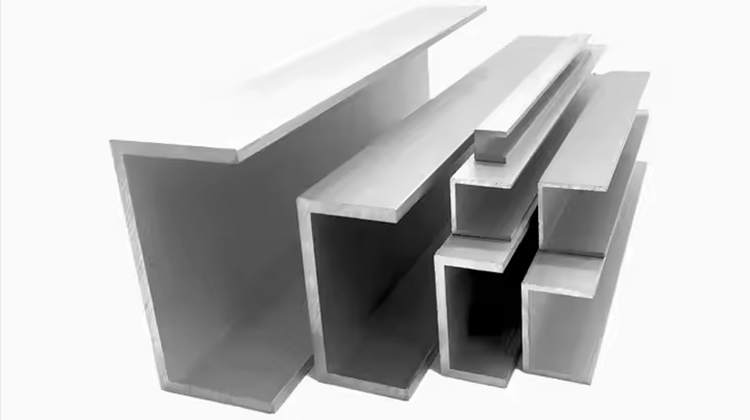
Anodizing: Electrochemical Surface Conversion
Anodizing is an electrochemical process that artificially thickens the naturally occurring oxide layer on aluminum surfaces. This conversion coating is integral to the aluminum substrate—it does not peel or flake.
How Anodizing Works
During anodizing, the aluminum extrusion is immersed in an electrolytic bath (typically sulfuric acid) and subjected to an electrical current. This controlled oxidation creates a porous, thicker oxide layer that is then sealed through a "hot-seal" or "cold-seal" process to close the pores and prevent dye fading or cracking.
Anodizing parameters significantly affect corrosion resistance. Research on 6061 aluminum alloy found that samples anodized at 15V in 0.5M sulfuric acid concentration exhibited the best corrosion resistance. This demonstrates the importance of optimizing the anodizing process for the specific alloy and application.
Benefits of Anodizing
Anodizing provides a hard, durable surface that is resistant to UV degradation, abrasion, and heat. The finish is available in clear, light bronze, black, and other shades. Anodized surfaces do not outgas or stain glass in high-temperature applications, making them ideal for architectural components.
Limitations
Anodizing is alloy-dependent—finish colors can vary between different alloy compositions, and silicon content in 6xxx alloys can cause inconsistencies in anodized surface finishes. Additionally, anodized surfaces are difficult to repair if scratched or damaged.
Typical Applications
Anodizing is ideal for architectural components, window frames, and furniture profiles where both aesthetics and weather resistance are important. At Aluleader, our casement window profiles and architectural profiles frequently utilize anodized finishes.
Powder Coating: Versatile Barrier Protection
Powder coating is a dry painting process that offers exceptional versatility in color, texture, and durability. It has become one of the most popular finishing methods for aluminum extrusions.
How Powder Coating Works
The process begins with chemical pre-treatment, typically a chromate or zirconium-based conversion coating, to improve corrosion resistance of the base aluminum. Fine paint particles are then electrostatically charged and sprayed onto the surface, adhering to the aluminum through electrostatic attraction. The coated profile is then cured in an oven, where the powder melts and flows into a uniform, durable film.
Importance of Pretreatment
Research on powder-coated AA6060 aluminum profiles that failed in service revealed that the root cause of corrosion was surface defects (pick-ups) present on the extruded profiles prior to powder coating, resulting from intermetallic particles in the alloy. These defects led to localized corrosion under the paint, appearing as blistering after 5-6 years of marine exposure.
This case study highlights a critical point: powder coating is only as effective as the surface preparation beneath it. Surface defects produced during extrusion must be identified and addressed before coating to ensure long-term performance.
Performance Grades
Different powder coating formulations offer varying levels of durability. Standard polyester powder provides a service life of approximately 10 years. Extra high durability (XHD) powder extends this to 15-20 years. Premium PVDF (fluoropolymer) coatings offer the highest weather resistance, with service lives exceeding 20 years and excellent chalk resistance.
FEVE (fluoroethylene vinyl ether)-based coatings, such as LUMIFLON®, represent an advanced option with alternating fluoroethylene and vinyl ether molecular structure enabling superior UV resistance, brighter colors, and a broader range of gloss and finish options compared to standard PVDF coatings. These coatings can be applied in factory and field settings and have shown lasting color and gloss retention for more than 35 years.
Limitations
Powder coating is a barrier protection method—if the coating is breached, corrosion can initiate at the defect site. Additionally, powder coating adds thickness (outer dimensions increase), which must be considered in tolerance design.
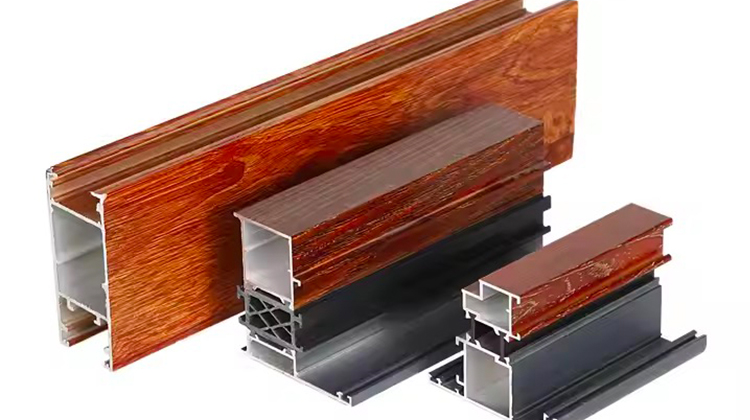
Electrophoretic Deposition (Electrophoresis / ED Coating)
Electrophoretic deposition (EPD) is an efficient and controllable surface treatment technology that has shown important application value in metal surface functionalization.
How EPD Works
EPD drives the directional migration of charged particles through an electric field and deposits them on the electrode surface, achieving uniform coating of complex-shaped workpieces. This method is particularly suitable for the preparation of anti-corrosion and insulating coatings.
EPD parameters—voltage, deposition time, and their optimal combination—directly affect the uniformity, density, and bonding strength of the coating, which in turn determines the quality of the protective properties. Epoxy resin (EP) is commonly used as the film-forming matrix in EPD due to its excellent adhesion and chemical stability.
Advantages
EPD offers several advantages: simple and environmentally friendly operation, processing sustainability, low cost, and good coating uniformity. Recent research has shown that nanoparticle-reinforced EP composite coatings prepared by EPD can simultaneously enhance both electrical insulation and anti-corrosion properties. By incorporating surface-modified Al₂O₃ nanoparticles into the electrophoretic paint, researchers achieved uniform and dense composite coatings with improved protective performance.
Applications
Electrophoretic coating is particularly suitable for complex-shaped workpieces where uniform coverage is difficult to achieve with spray methods. It is used in automotive, architectural, and industrial applications where consistent coating thickness and corrosion resistance are required.
Other Protection Strategies
Conversion Coatings
Conversion coatings, such as zirconium-based (ZrO₂) treatments, are often used as a base for powder coating. Research on recycled aluminum alloys has demonstrated that different conversion coating formulations affect corrosion susceptibility, with some variants providing performance comparable to traditional chromate treatments.
Chromium-Free Alternatives
Traditional chromate conversion coatings, while highly effective, generate toxic wastewater containing F⁻ and Cr⁶⁺. Chromium-free alternatives, such as sol-gel nano-coatings, have been developed to provide equivalent corrosion protection while significantly reducing environmental impact. These coatings can provide salt spray resistance exceeding 376 hours, equivalent to hexavalent chromium results, while eliminating chromium wastewater pollution.
Micro-Arc Oxidation (MAO)
Advanced protection strategies include micro-arc oxidation, which creates thick, hard ceramic coatings (50-80 μm) with low porosity (<5%) on aluminum surfaces. This method produces Al₂O₃-SiO₂ composite ceramic layers that offer exceptional wear and corrosion resistance for demanding applications.
Choosing the Right Protection Strategy
Alloy Selection provides inherent material resistance. This is the most fundamental protection strategy. 5xxx series alloys offer the best corrosion resistance, particularly in marine environments. 6xxx series alloys provide good corrosion resistance suitable for most architectural and industrial applications. High-strength alloys (2xxx, 7xxx) have lower corrosion resistance and require additional protection.
Anodizing creates a thickened oxide layer that is integral to the aluminum. This method is best for architectural components, furniture profiles, and coastal applications. The finish is hard, UV-stable, and offers a premium metallic appearance. However, it is alloy-dependent, and the finish is difficult to repair.
Powder Coating provides barrier protection with unlimited color options. It is widely used for architectural, industrial, and furniture applications. Premium formulations like PVDF and FEVE offer exceptional weather resistance. The key limitation is that surface defects must be addressed before coating to ensure long-term performance.
Electrophoretic Coating offers uniform barrier deposition on complex shapes. It is particularly suitable for automotive, electronics, and applications requiring consistent coating thickness. This method provides good corrosion protection and can be enhanced with nanoparticle reinforcement.
Conversion Coatings provide chemical passivation and are often used as pretreatment for powder coating. Chromium-free alternatives offer environmental benefits while maintaining effective corrosion protection.
Frequently Asked Questions (FAQ)
Q: Which aluminum alloy has the best corrosion resistance?
A: Among commonly used alloys, AA5052 (5xxx series) generally offers superior corrosion resistance, particularly in marine environments. AA6061 provides good corrosion resistance suitable for most architectural and industrial applications. The ranking from research is AA5052 > AA1050 > AA6061 > AA7075 > AA2024.
Q: What causes blistering of powder-coated aluminum profiles?
A: Blistering typically originates from surface defects (pick-ups) present on the extruded profile prior to coating. These defects result from intermetallic particles in the alloy, which disturb metal flow during extrusion. In chloride-rich environments, corrosion initiates at these defects and spreads under the coating, appearing as blistering after 5-6 years of marine exposure.
Q: Is anodizing or powder coating better for outdoor applications?
A: Both are effective, but for different reasons. Anodizing provides a hard, UV-stable metallic finish that is integral to the aluminum and does not peel or flake. Powder coating offers unlimited color options and excellent barrier protection, with premium formulations like FEVE providing exceptional weather resistance exceeding 35 years.
Q: Can recycled aluminum achieve the same corrosion protection as primary aluminum?
A: Yes. Research indicates that the choice of surface preparation or coating has a greater impact on corrosion susceptibility than alloy composition. Properly prepared and coated post-consumer scrap aluminum can achieve corrosion performance comparable to primary aluminum.
Q: What is electrophoretic coating, and how does it compare to powder coating?
A: Electrophoretic coating (ED coating) uses an electric field to deposit charged particles uniformly onto complex-shaped workpieces. It offers excellent coverage for intricate shapes and provides good corrosion protection with uniform coating thickness. Powder coating is more common for large architectural profiles and offers a wider range of color and texture options. Both methods are effective corrosion protection strategies.
Q: What are chromium-free alternatives for aluminum corrosion protection?
A: Chromium-free alternatives include zirconium-based conversion coatings and sol-gel nano-coatings. These provide equivalent corrosion protection to traditional chromate treatments while significantly reducing environmental impact. Some formulations offer salt spray resistance exceeding 376 hours.
Related Posts
Surface Finishing Options for Aluminum Extrusions — Explore anodizing, powder coating, and other finishes in detail.
Aluminum Extrusion Process: 11 Key Steps Explained — Understand the manufacturing process that creates the surface to be protected.
11 Silent Quality Traps in Aluminum Extrusion and How to Avoid Them — Learn about surface defects that can compromise corrosion protection.
Aluminum Enclosure IP Rating Guide — Corrosion protection in the context of electronic enclosures.
Applications of Aluminum Extrusion in Different Industries — Understand where different corrosion protection strategies are applied.
About Aluleader
With over 15 years of experience in the aluminum extrusion industry, Aluleader provides high-quality architectural profiles, industrial profiles, and furniture/decorative profiles. Our finishing capabilities include anodizing, powder coating, electrophoresis, and mechanical finishing. Our engineering team collaborates with clients to select the optimal alloy and corrosion protection strategy for each application, balancing performance, durability, and cost.
For project-specific questions about corrosion protection strategies, our experts are available to provide technical guidance.