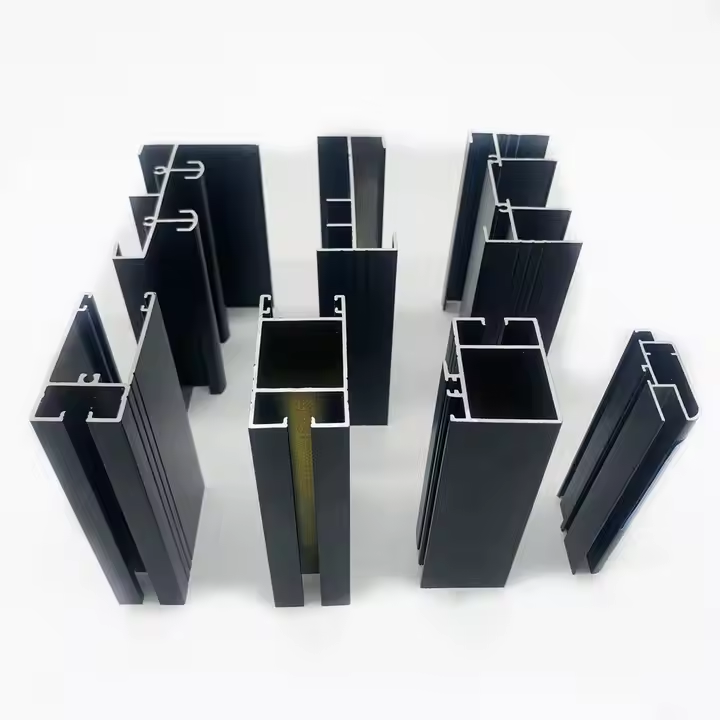
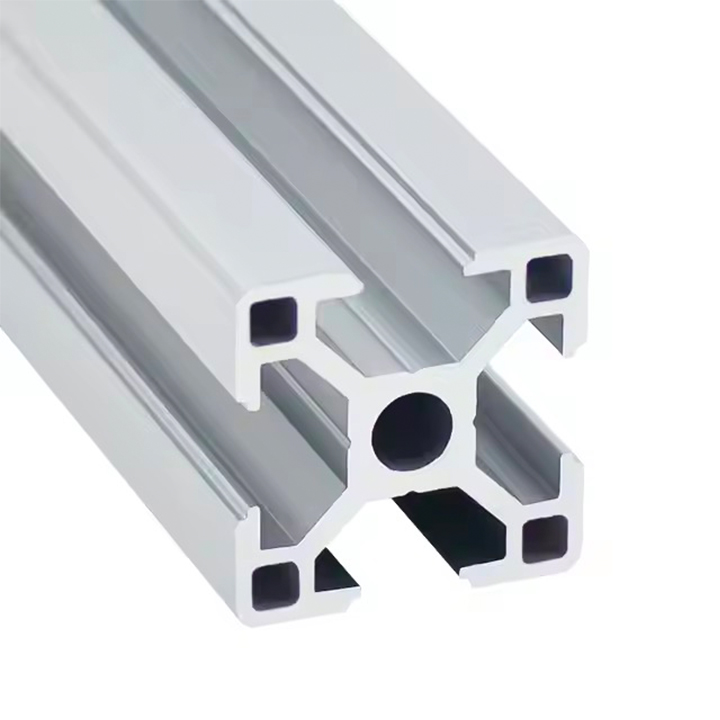
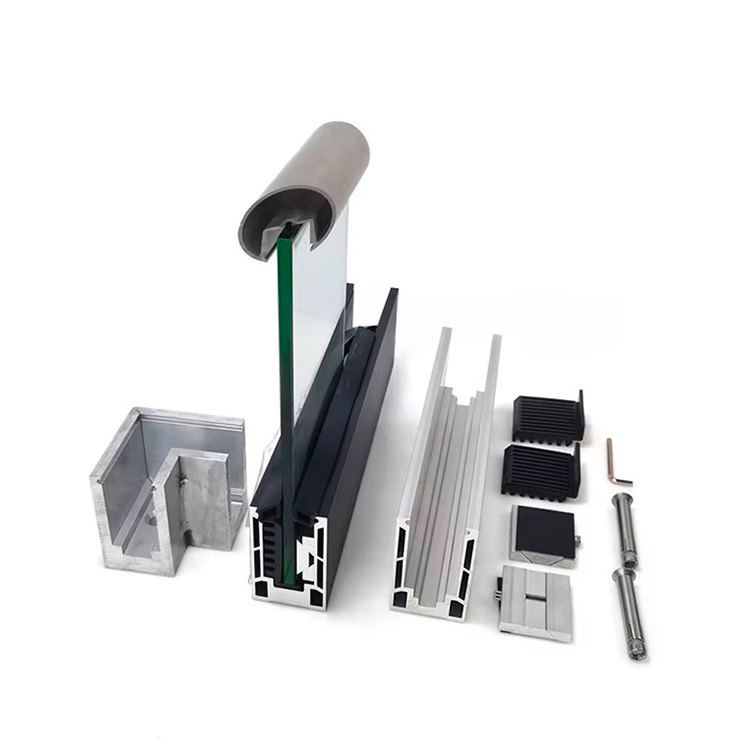
Welcome to Aluleader Metal
How to Choose an Aluminum Extrusion Supplier: Evaluation Checklist | Aluleader
Selecting the right aluminum extrusion supplier is a strategic decision that directly impacts product quality, project timelines, and supply chain resilience. A poor choice can stall a product launch, blow a project budget, or saddle your team with parts that fail quality checks. The stakes are real. With a crowded market where differences between suppliers aren't always obvious at first glance, a structured evaluation framework is essential.
This guide provides a comprehensive, multi-dimensional checklist for evaluating potential aluminum extrusion partners. It covers technical capability, quality systems, sustainability commitment, communication, and commercial terms—helping you move beyond price comparisons to identify a supplier who can function as a true technical partner.
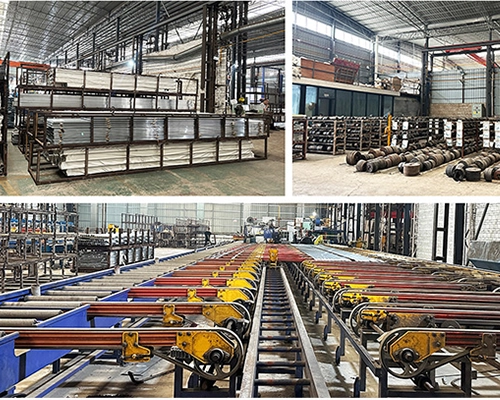
1. Technical Capability and Manufacturing Depth
Start by examining a supplier's manufacturing depth closely. Some facilities handle only standard alloys and simple profiles, while others produce custom cross-sections in everything from 6061 to 6063 to 7075. You need to know upfront whether the supplier can handle your specific geometry and alloy requirements, not after a quote has been submitted.
Press Capability and Equipment
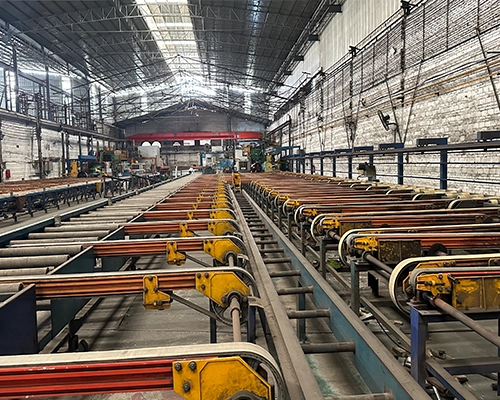
Ask for a full list of die capabilities, press tonnage options, and the alloys they stock or source regularly. Extrusion press sizes typically range from 500 tons to over 3,600 tons. Suppliers with multiple press lines offer greater flexibility and redundancy—if one line is down, your order doesn't stop.
Key questions to ask:
What press sizes are available? Can they handle my profile's circumscribing circle diameter?
Do they have older presses that might limit profile complexity?
Is there redundancy in the production line in case of equipment failure?
Vertical Integration
Consider whether the supplier offers secondary operations such as anodizing, cutting, drilling, or powder coating in-house. A supplier who handles those steps under one roof can save weeks of coordination time and reduce the risk of dimensional variation that creeps in when parts move between facilities. In-house capabilities also indicate greater control over quality and pricing.
Signs of robust integration:
On-site CNC machining and surface treatment lines (anodizing, powder coating)
Custom die fabrication capability for non-standard profiles
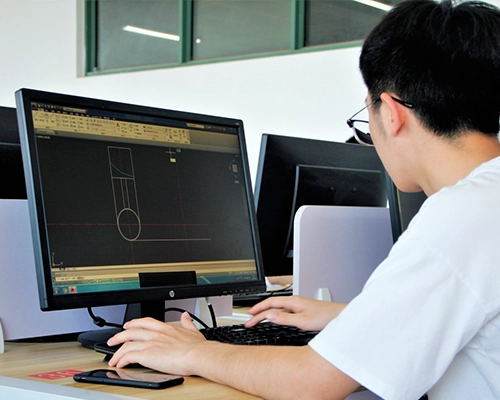
Digital design support including 3D modeling and simulation files
Alloy Expertise
Different applications require different alloys. 6063 is prized for its surface finish and corrosion resistance, making it ideal for architectural profiles. 6061 offers higher structural strength for industrial applications. 6005 provides a balance of toughness and weldability. Suppliers with broad alloy expertise—and documented mill test certificates (MTCs) to prove material composition—are better positioned to meet complex specifications.
2. Quality Assurance and Certifications
Quality control separates good aluminum extrusion suppliers from those that cost you time and money in rework. A reputable supplier will have documented procedures, not just a verbal assurance that "we check everything".
Certifications as a Starting Point
ISO 9001 certification signals that a supplier's quality management system has been independently verified. For more demanding applications—aerospace, automotive, or structural construction—look for stricter certifications like AS9100, IATF 16949, or NADCAP. ITAR compliance may be required for defense-related projects.
However, certifications alone are not enough. ISO 9001 does not certify that a specific extrusion automatically meets your drawing. It does not replace product-specific inspection.
Auditing the Quality System Through Records
Beyond logos, audit the actual controls applied to your order:
Incoming billet and material identification
Die and first-piece approval
In-process dimensional checks
Straightness, twist, and surface inspection
Hardness or mechanical testing when required
Finish thickness, color, or adhesion checks
Nonconformance segregation and corrective action
Lot traceability from material through shipment
Calibration status of measurement equipment
Final inspection and document retention
Evidence to request:
Sample material test report confirming alloy composition and tensile strength
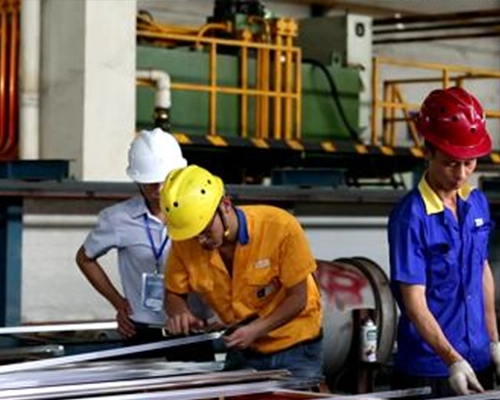
Sample dimensional report from a recent production run
Calibration records for measurement equipment
Nonconformance and corrective action examples
Traceability demonstration
Tolerances and Measurement Methods
Do not simply ask, "Can you hold ±0.2 mm?" Extrusion tolerances depend on profile size, wall thickness, feature location, straightness, twist, flatness, alloy, temper, and how the dimension is measured. The Aluminum Association publishes standard dimensional tolerances, and any supplier worth working with should be able to meet or exceed those benchmarks.
Ask the supplier to classify each critical requirement as:
Achievable directly after extrusion
Achievable after straightening or controlled cutting
Achievable only with secondary CNC machining
Unsuitable without a design change
3. Lead Times, Delivery Performance, and Supply Chain Stability
Lead time is one of the most common friction points between buyers and aluminum extrusion suppliers. A supplier might quote an attractive price, then reveal a 12-week backlog once the purchase order is signed.
On-Time Delivery (OTD) Rate
On-time delivery rate is a strong indicator of operational efficiency. Industry benchmarks suggest:
OTD rates exceeding 96-97% reflect disciplined internal processes and effective supply chain management
Rates above 85% suggest reliable planning and execution
Low OTD rates indicate capacity planning issues or logistics problems
Production Scheduling Practices
Ask specifically about both standard runs and expedited options. Find out how their production schedule works: do they batch similar profiles together, or do they run each order independently? Batching can extend your wait if your profile doesn't match anything already on the press.
Also ask what happens to your order if a die fails mid-run. Do they have backup dies on hand, or does a die failure mean starting the tooling process from scratch? That detail alone can add weeks to a delivery.
4. Sustainability and Environmental Commitment
Sustainability is moving from a nice-to-have to a market requirement. Low-carbon production and recycled content are becoming hard constraints in many markets, particularly in Europe.
What to Look For
Green billet sourcing: Does the supplier source billets produced using renewable energy or post-consumer scrap? Chinese extruders, for example, are investing heavily in "green billets" as part of carbon-neutrality objectives.
Recycling capabilities: Aluminum is infinitely recyclable without loss of properties. Suppliers who incorporate recycled content into their billets demonstrate commitment to circular economy principles.
Energy efficiency: Look for evidence of investments in energy-efficient equipment and processes. Taber Extrusions, for example, reduced energy consumption by upgrading their compressed air system and optimizing production processes.
Environmental certifications: Qualicoat, AAMA 2603/2604, and similar accreditations indicate adherence to environmental and quality standards for surface treatments.
For B2B buyers, sustainability is not just about corporate responsibility—it can impact regulatory compliance, customer requirements, and long-term supply chain viability.
5. Communication, Responsiveness, and Partnership Fit
In fast-moving projects, responsiveness directly impacts timelines. A supplier who proactively flags delays is far more manageable than one you have to chase down for updates.
Communication Benchmarks
Response time: Suppliers responding within 2-3 hours typically have dedicated export teams and streamlined internal workflows. Delayed replies may signal understaffed sales departments or operational bottlenecks.
Transparency: Do they share detailed quotes with clear cost breakdowns? Are they upfront about lead times and potential issues?
Technical engagement: A good supplier will offer design-for-manufacturability (DFM) feedback early in development, helping you optimize profiles before tooling is cut.
Reorder Rate as a Satisfaction Indicator
Reorder rate—the percentage of customers who place repeat orders—is a powerful metric. It reflects customer satisfaction and product reliability. Rates exceeding 30-35% suggest strong market confidence and repeat business viability.
6. Commercial Terms and Hidden Costs
Price is never the whole story with aluminum extrusion suppliers. Commercial fit includes more than unit price.
What to Clarify
Tooling cost, ownership, and maintenance terms: Who owns the die after fabrication? What happens if the die needs correction or replacement?
Minimum order quantities (MOQ): These vary significantly by alloy, press, and finish batch. Some suppliers offer prototyping MOQs as low as 1 kg.
Price adjustment mechanisms: Does the quote include a metal-price adjustment method? Aluminum prices are volatile, and clear adjustment terms protect both parties.
Quote validity period: How long is the quote valid? Extended validity indicates stable raw material access.
Incoterms and export documents: Clarify freight responsibilities and shipping terms.
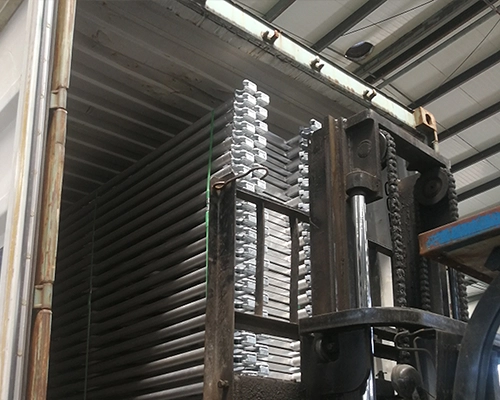
Packaging costs: Packaging for long or cosmetic profiles can add significant cost. Standard packaging may be interleaved kraft paper; custom packaging for scratch-free surfaces adds expense.
Recovery plan: What happens if something goes wrong? A clear nonconformance process is essential.
Supplier Evaluation Checklist Summary
Based on the framework above, here is a consolidated checklist for evaluating potential aluminum extrusion partners:
Technical Capability
Press tonnage range matches profile requirements
Custom die fabrication available in-house
Secondary operations (CNC, finishing) available internally
Alloy range includes required specifications (6063, 6061, 6005, etc.)
DFM feedback provided during design phase
Quality Assurance
ISO 9001 certification (AS9100, IATF 16949, or NADCAP for demanding industries)
Documented inspection process with actual measurement values
Lot traceability from billet to shipment
Mill test certificates (MTCs) available
Tolerance analysis provided for critical features
Delivery Performance
OTD rate consistently above 96%
Reorder rate above 30% indicates satisfaction
Transparent lead time quotes
Contingency plan for die failure or urgent orders
Sustainability
Green billet or recycled content sourcing
Energy efficiency investments documented
Surface treatment certifications (Qualicoat, AAMA) in place
Communication
Response time under 5 hours (preferably under 3)
Proactive communication on schedule changes
Dedicated account manager or engineering contact
Co-engineering support provided
Commercial Terms
Clear tooling ownership and amortization terms
Reasonable MOQ for your volume
Transparent metal price adjustment method
Incoterms and export documentation clarified
Recovery process for nonconformance documented
Frequently Asked Questions (FAQ)
Q: How important are certifications like ISO 9001?
A: ISO 9001 provides a baseline for quality management systems and is independently verified. However, it does not guarantee that a specific part meets your drawing. Always request product-specific inspection records and sample reports.
Q: What is a good on-time delivery rate for an extrusion supplier?
A: Look for OTD rates above 96-97%. This level of consistency suggests disciplined process control and effective supply chain management.
Q: What should I ask about die tooling?
A: Clarify die cost, ownership (who owns the die after fabrication), maintenance responsibilities, what happens if a die fails mid-run, and die amortization terms for large orders.
Q: How do I verify a supplier's quality without visiting their factory?
A: Request sample inspection reports, mill test certificates, calibration records, and nonconformance logs. Video walkthroughs and virtual audits are also effective alternatives to physical site visits.
Q: Is it better to choose a supplier with in-house finishing or one that outsources?
A: In-house finishing reduces coordination time, minimizes dimensional variation, and gives the supplier greater control over quality and cost. Suppliers who outsource finishing may offer lower prices but introduce additional risk.
Q: What is a reasonable response time from a supplier?
A: Most high-performing suppliers respond within 2-5 hours. Rapid response indicates dedicated export teams and efficient internal workflows.
Related Posts
Aluminum Extrusion Market Outlook 2026-2027 — Understand the market context for supplier capacity and demand trends.
11 Silent Quality Traps in Aluminum Extrusion and How to Avoid Them — Learn about common defects that a capable supplier should prevent.
Aluminum Extrusion Tolerance Design Guide — Understand tolerance specifications when communicating with suppliers.
Corrosion Protection for Aluminum Extrusions — Evaluate supplier finishing capabilities for corrosion resistance.
Applications of Aluminum Extrusion in Different Industries — Explore how different industries apply extrusion, informing your supplier selection.
About Aluleader
With over 15 years of experience in the aluminum extrusion industry, Aluleader provides high-quality architectural profiles, industrial profiles, and furniture/decorative profiles. Our integrated capabilities—from die design and extrusion to CNC machining, surface finishing, and fabrication—ensure consistent quality across every project.
Our engineering team collaborates with clients from design through production, offering DFM feedback and technical guidance to optimize profiles for manufacturability. For project-specific questions or to discuss your extrusion requirements, our experts are available to provide technical guidance.